
In 1946, following the U.S.-led allied victory in World War II, the United States made a bold investment in global peace and prosperity through educational and cultural exchange. For the last third of American history, the Fulbright Program has created opportunities for students, scholars, teachers, and professionals to advance American interests abroad, share our expertise with the world, and build the strategic networks that secure prosperity.
To mark the 80th anniversary of the Fulbright Program, during a year in which we are celebrating 250 years of the Declaration of Independence, the U.S. Department of State gathered Fulbright alumni, government officials, implementing organizations, and the diplomatic community together to recognize what Fulbright has achieved in the United States and around the world. Over the course of a week in Washington, D.C., high ranking U.S. and foreign government officials, alumni, representatives of the private sector, and others commemorated the Fulbright Program’s role as a strategic American investment that builds expertise and beneficial connections.
For the past 80 years, Fulbright has made the United States and the world safer, more secure, and more prosperous.
State Department Recognizes Alumni
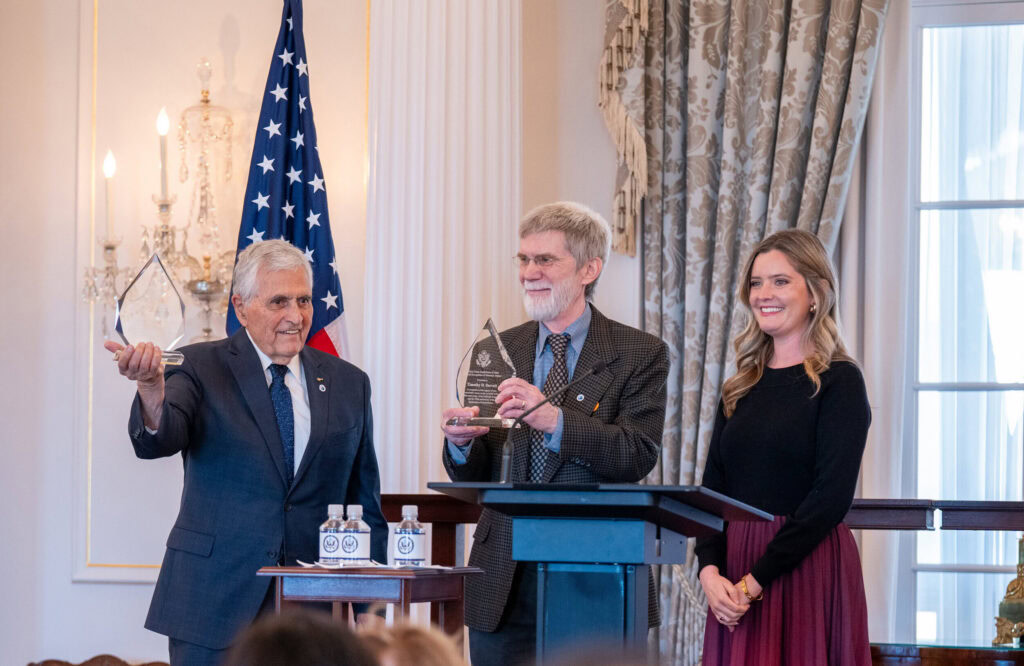
In a special presentation and luncheon, Assistant Secretary of State Cate Dillon awarded two distinguished Fulbright alumni for the extraordinary impact they have made in their careers.
Dr. Harrison Schmitt studied geology in Norway, became an astronaut and walked on the Moon as Apollo 17’s Lunar Module Pilot before serving as a U.S. Senator. Timothy Barrett became a master papermaker after studying the craft on Fulbright in Japan; his handmade archival paper now helps preserve the Charters of Freedom for future generations to see at the National Archives. Their stories illustrated how Fulbright experiences can shape a lifetime of scientific discovery and public service, and lead to lasting contributions to American history.
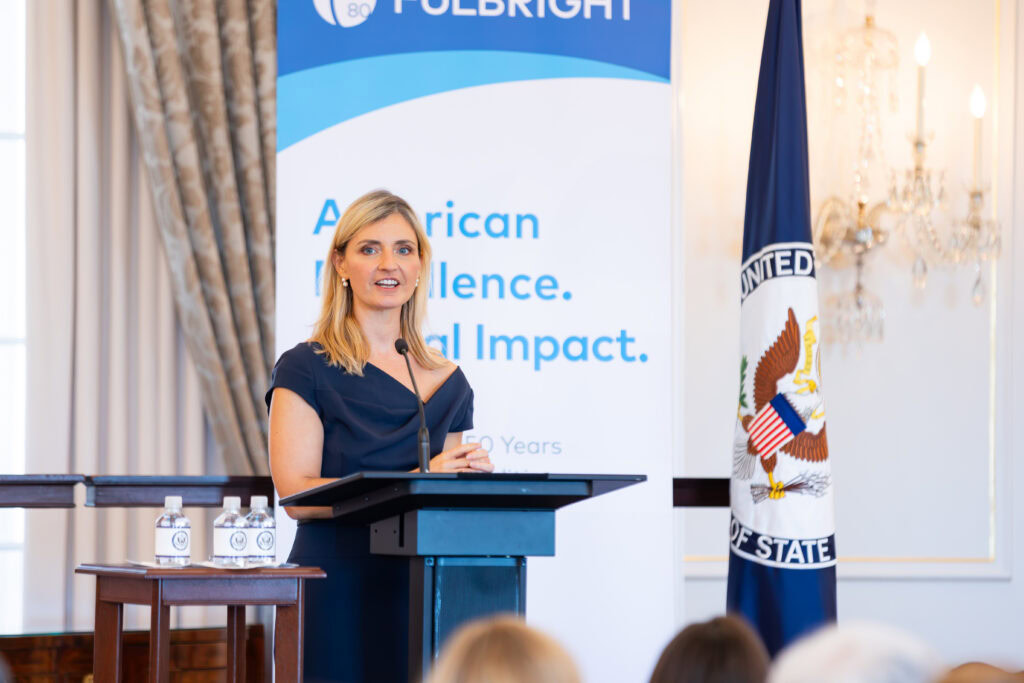
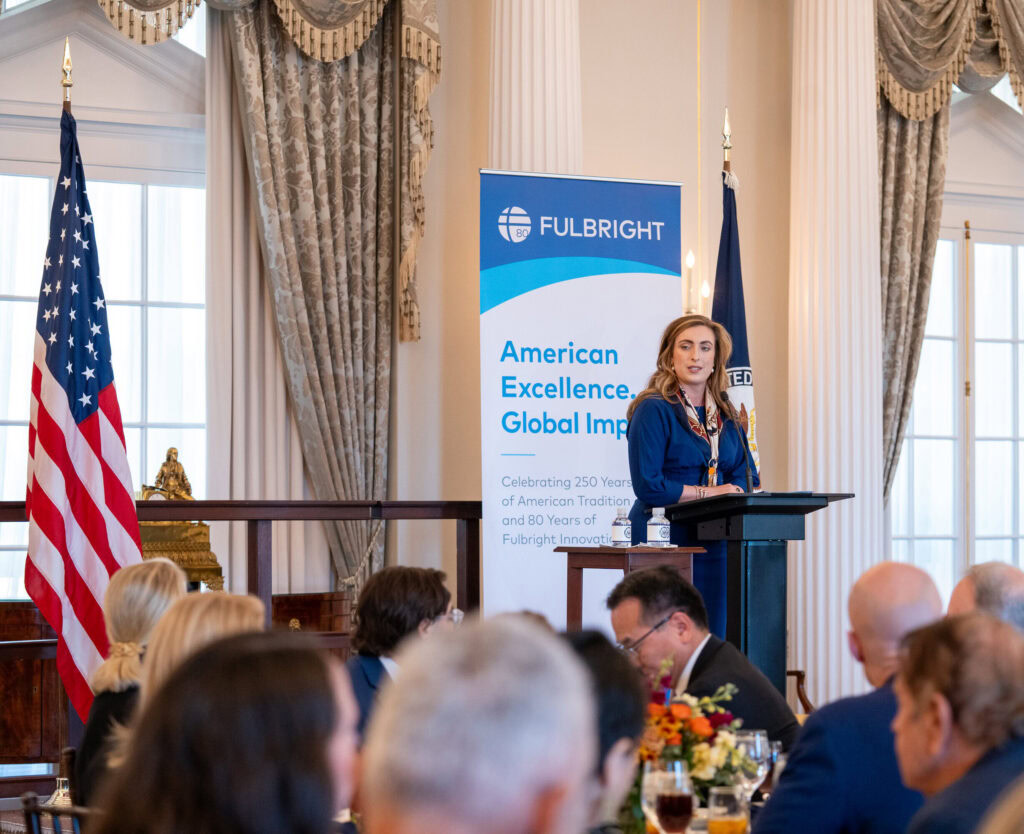
Under Secretary of State for Public Diplomacy Sarah B. Rogers and Deputy Assistant Secretary Victoria Roberts delivered remarks, praising Fulbright’s past impact and sharing a vision for its future.
Reception Celebrates 80 Years of Fulbright Excellence
Fulbright hosted a reception at the Donald J. Trump Institute of Peace to celebrate the program’s eight decades of excellence. The reception was attended by around 600 guests, including 25 Ambassadors and members of the diplomatic corps representing over 60 countries, Fulbright Commission Directors and leadership from 48 countries, current Fulbright participants, and Fulbright alumni.
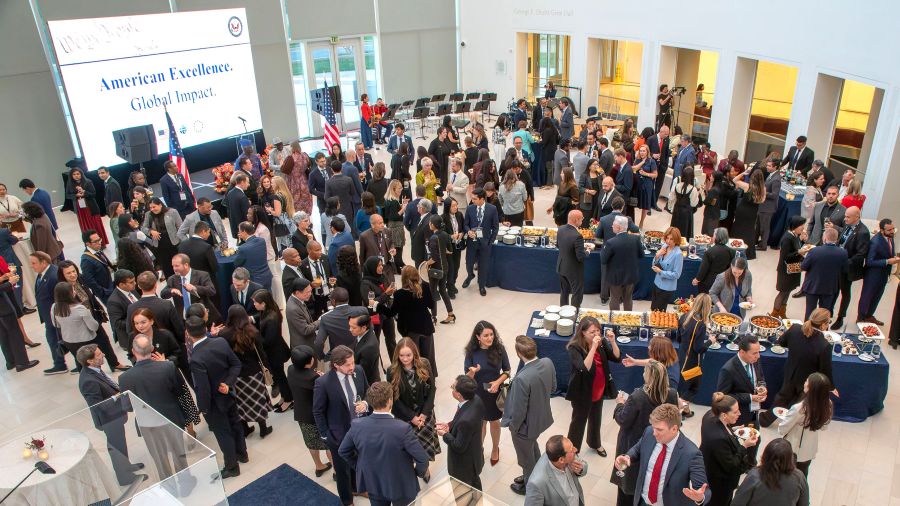
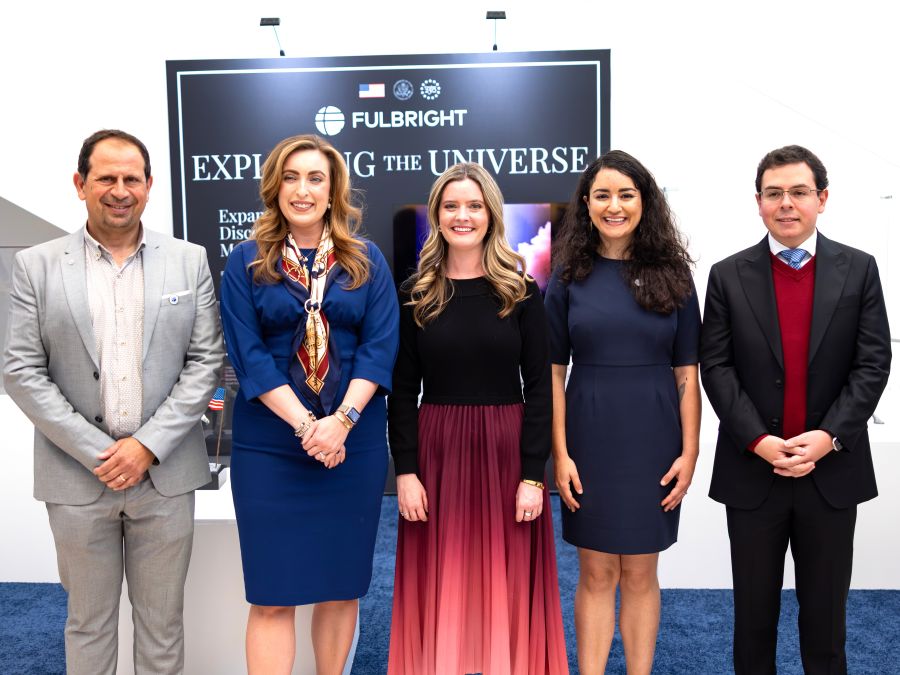
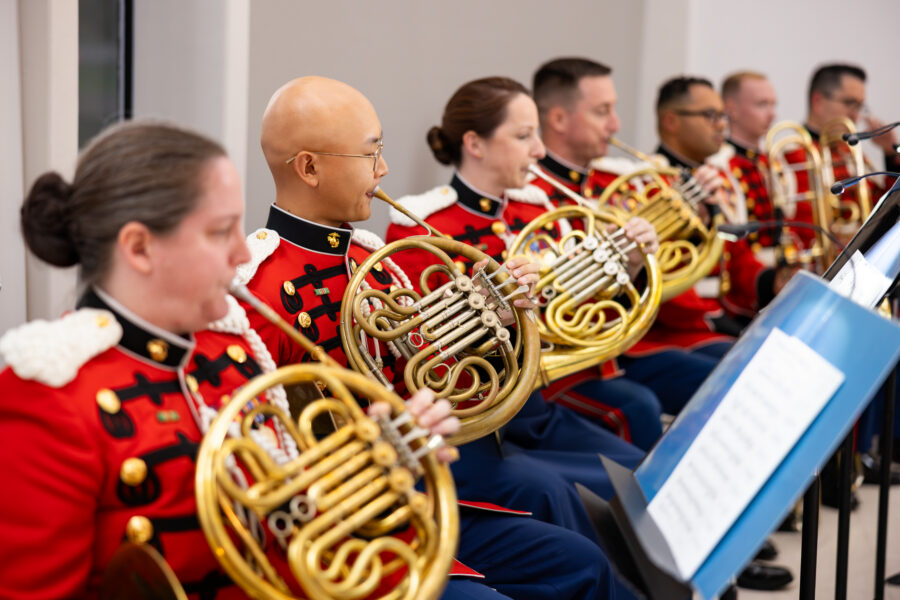
View photo gallery from the reception.
Video remarks by Secretary of State Marco Rubio strongly underscored Fulbright’s importance to the nation and the world: “the Fulbright program is not just America’s gift to the world, it is a powerful strategic resource.”
Secretary Rubio emphasized the contributions of both foreign and American alumni, saying “In both directions, the Fulbright program builds networks and relationships that last long after the exchange program ends—networks that frequently and tangibly advance the interests of the whole of our country.”
The “President’s Own” U.S. Marine Corps Band performed a stirring rendition of Fulbrighter Aaron Copland’s Fanfare for the Common Man, along with a special adaptation of Dolly Parton’s song Nine to Five arranged by Fulbright alumnus and Juilliard professor Sam Nester.
Assistant Secretary Dillon welcomed assembled guests and introduced distinguished alumni Harrison Schmitt and Timothy Barrett, who shared personal reflections on how their Fulbright experiences shaped their lives, careers, and American history.
Exhibits Highlight Alumni Impact in Priority Fields
Deputy Assistant Secretary Roberts invited guests to visit exhibits showcasing the contributions of Fulbright alumni to space exploration, technology, medicine, storytelling, and culture, and to preserving the Charters of Freedom. The exhibits highlighted the achievements of the alumni and acted as a powerful reminder of how Fulbright advances knowledge, fosters innovation, and contributes to the security and prosperity of America and the world.
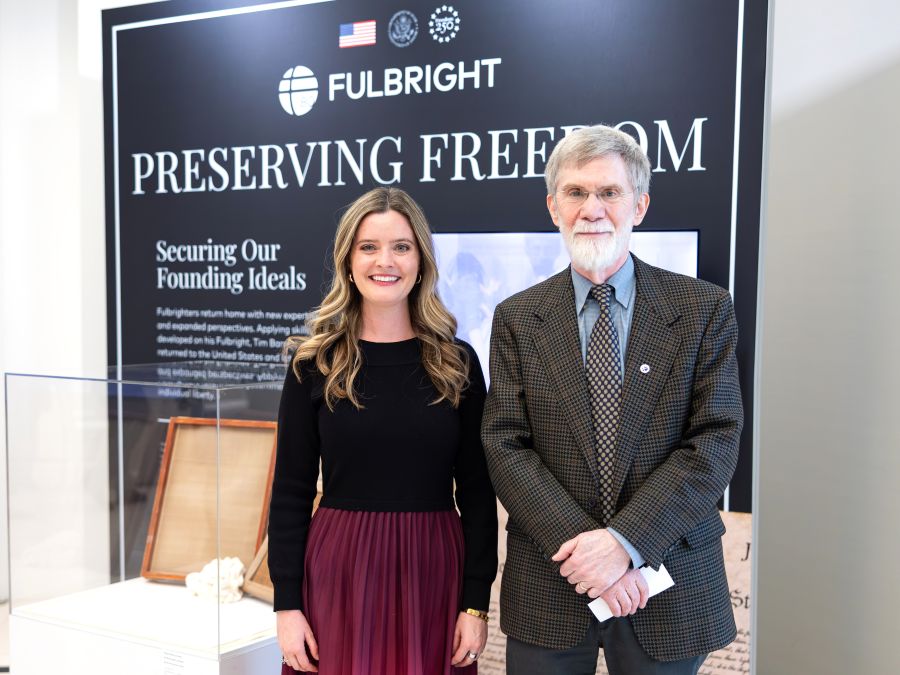
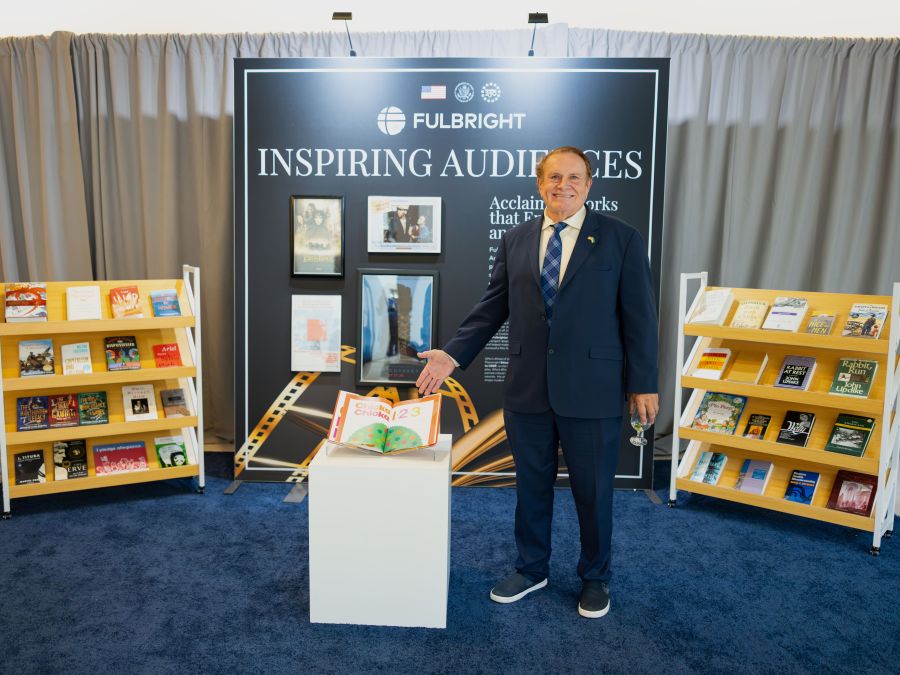
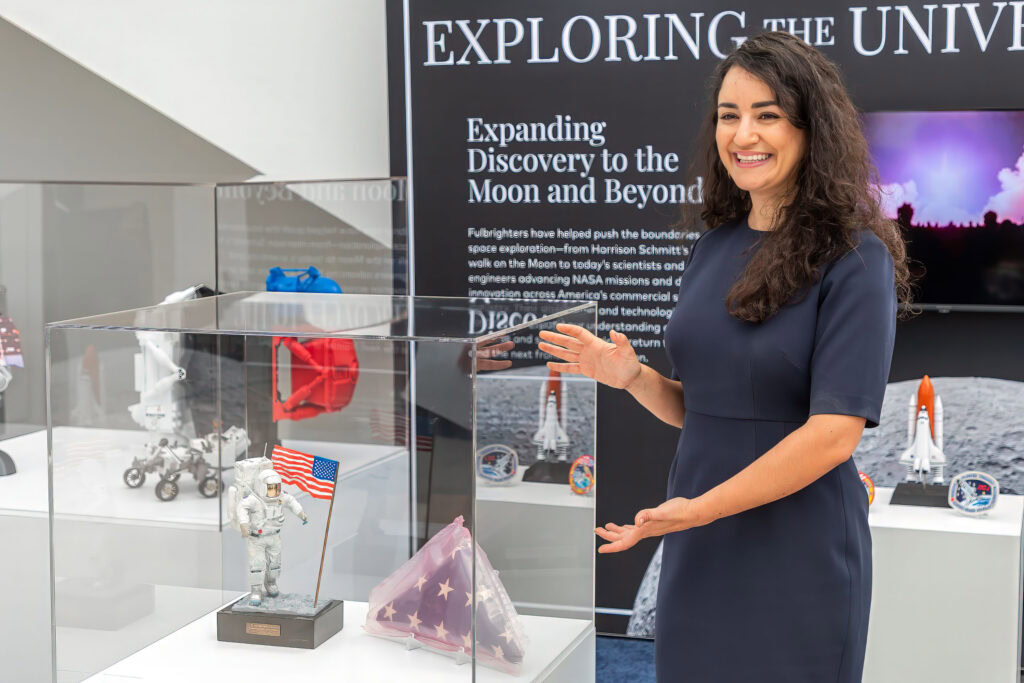
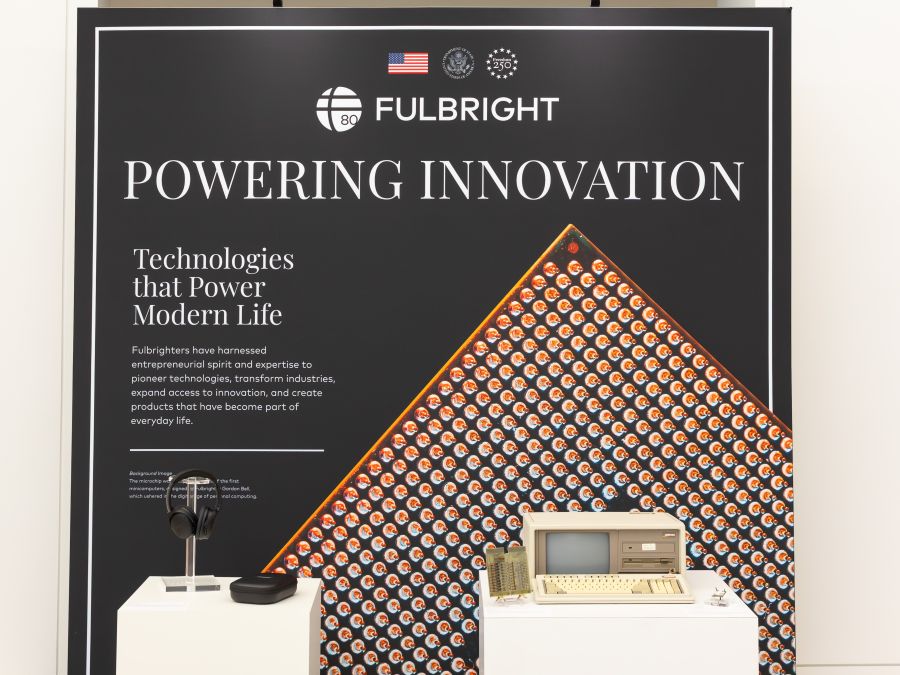
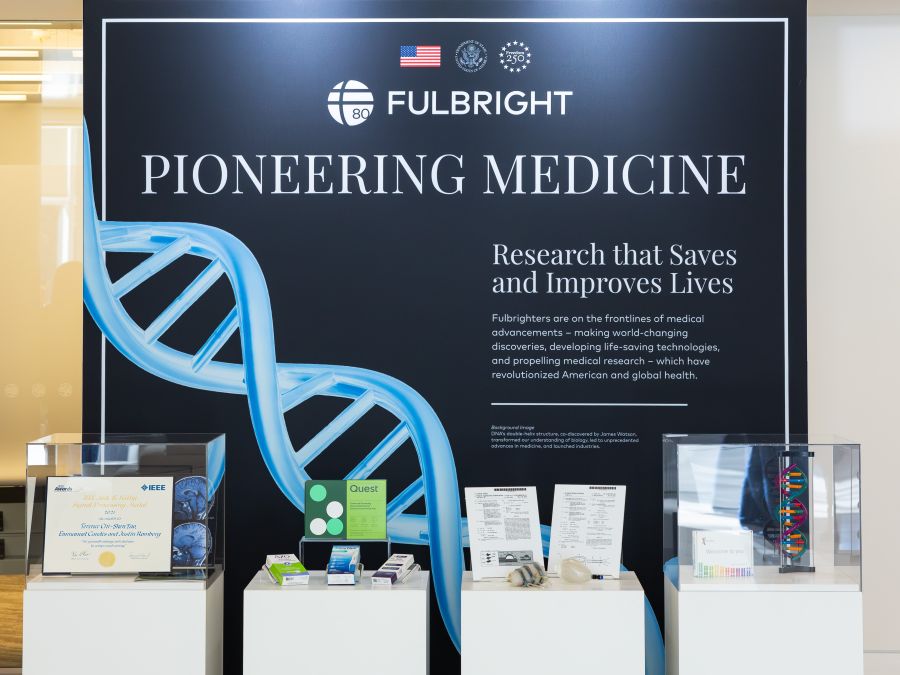
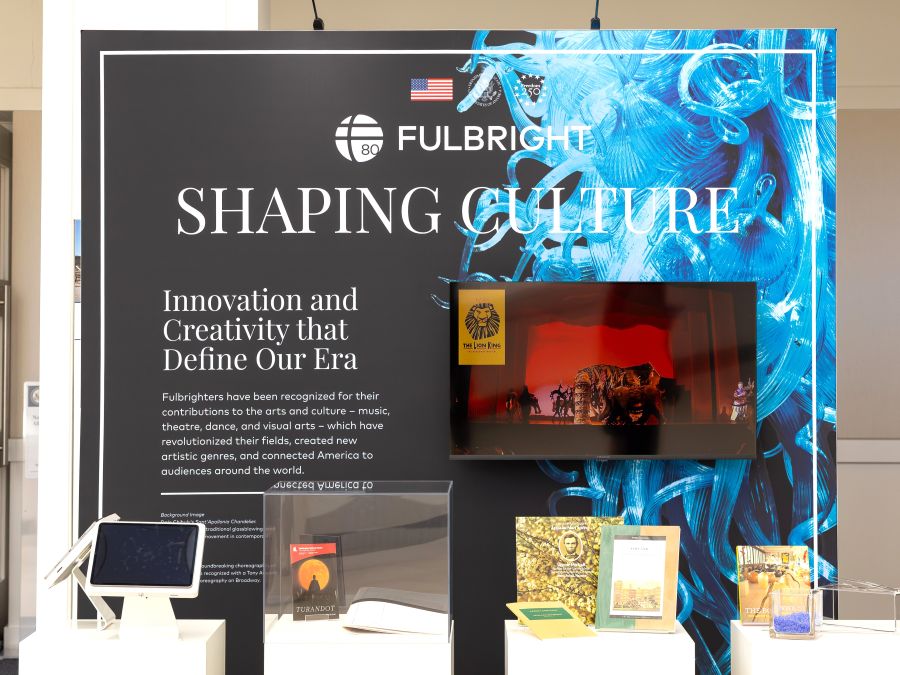
The exhibits displayed 80 objects representing the innovations of 43 Fulbright alumni. Some of the exhibit highlights included Bose headphones from engineer and entrepreneur Amar Bose; the Flip Chip card designed by computer scientist Gordon Bell; an American flag flown on the Artemis II mission from NASA’s Ruth Siboni; a handwritten score by grammy-winning composer Christopher Tin; and a DNA double helix model from medical pioneer James Watson.
As Fulbright marks 80 years of milestones, the enduring works of these Fulbright alumni illustrate the Program’s legacy of supporting American leadership, building international relationships, and increasing shared prosperity.