NASA Moon to Mars Test Lead keeps astronauts safe as they orbit the Moon and reach for Mars.
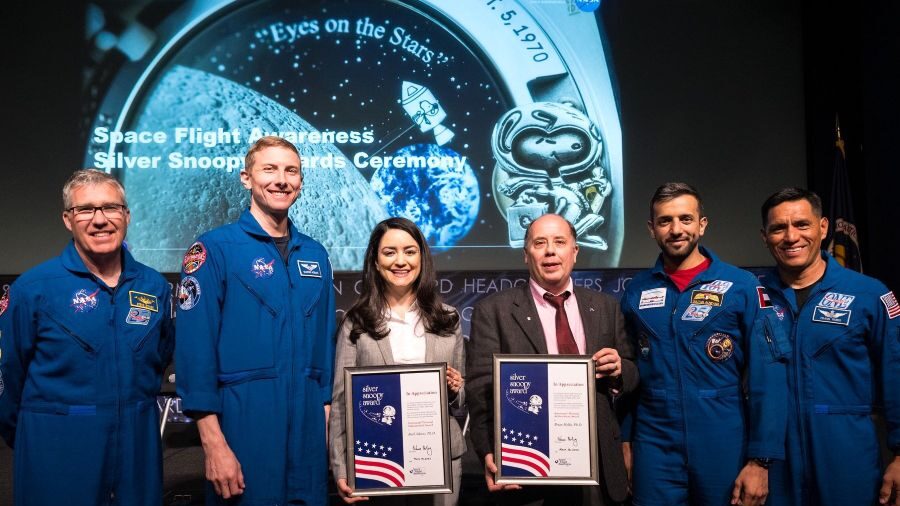
In the spring of 2026, the world watched as a crew of one Canadian and three American astronauts orbited the Moon on the Artemis II mission. Behind the scenes, hundreds of engineers and administrators, like Fulbright alumna Dr. Ruth Siboni, PhD, made it happen. As Systems Integrated Test Lead in NASA Headquarters’ Moon to Mars Program Office, Siboni supports the Unites States and international signatories of the Artemis Accords to establish a permanent base on the moon and continue to stretch human space flight. By testing gaps in Artemis hardware, her team ensures that NASA’s many exploration systems operate as one mission. Following the celebrated return of the Artemis II astronauts, Siboni continues her work, preparing for future missions with the goal of human space flight reaching Mars.
Siboni developed her leadership skills and the ability to coordinate complicated international projects with a 2019 Fulbright Scholar project at the German Aerospace Center (DLR), just as she was finishing a role as a life scientist in NASA’s Biological and Physical Sciences Division. Siboni explained how the immersive international collaboration through Fulbright shaped her technical expertise, leadership style, and approach to solving complex aerospace engineering challenges. She says the “the Fulbright Program gave me this view that not a lot of other early career people get.”
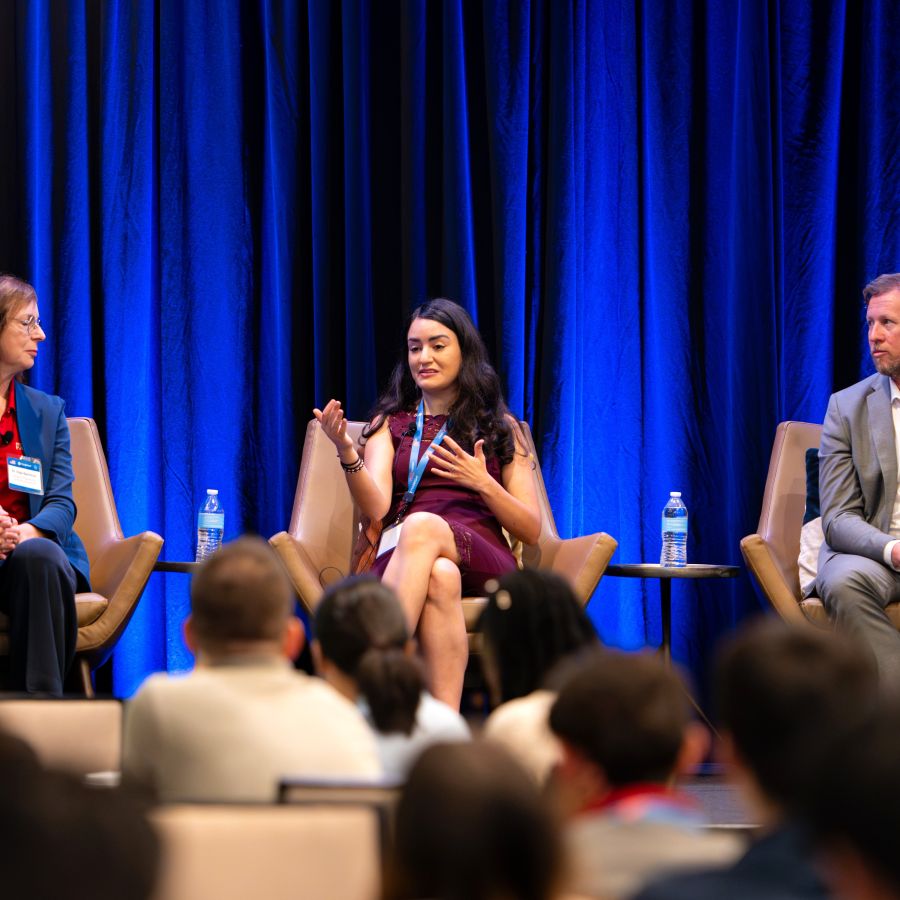
Her Fulbright project connected her directly with German project and program managers across DLR and its research centers, including several already collaborating with NASA. Siboni developed new perspectives and assessment strategies that would inform later projects and partnerships.
After Siboni’s Fulbright, she returned to serve as chief of staff for the Human Exploration and Operations Directorate. There, she led operational decision-making, program strategy, and career readiness initiatives for all lunar transportation programs. She helped establish the Moon to Mars Program Office. “I owe so much to Fulbright, truly. When I started I was a scientist; when I finished Fulbright I was a chief of staff. I wouldn’t have been able to make that leap without Fulbright.”
The Artemis missions required Siboni and her team to integrate multiple major systems—including the Orion spacecraft, the Space Launch System (SLS), communications networks, contributions from international space agencies and commercial partners, and ground infrastructure—into a single, coordinated mission architecture.
“Even seven years later, working as a systems engineer for the Artemis enterprise, I’ve continued to rely on the management strategies I was first exposed to during the Fulbright. I anticipate it will prove even more fruitful as the agency pivots toward establishing Moon Base—expected to be one of NASA’s largest collaborations with European partners, including DLR,” she explained.
Siboni’s Fulbright experience helped her communicate to the public about the importance of research and development in science. Her research asked the question, how can we price something that is experimental, rather than publicly traded or bought and sold? She showed that early-stage projects have greater potential for commercialization, intra-agency partnerships, and adoption by non-traditional users.
Fulbright gave her examples from DLR of how to communicate the cumulative value of research efforts across the human space exploration field. It also allowed her to compare very different types of work—from grant-funded basic science research, such as the biological experiments she worked on earlier in her career, to the large-scale engineering, manufacturing, and operational efforts involved in major exploration programs.
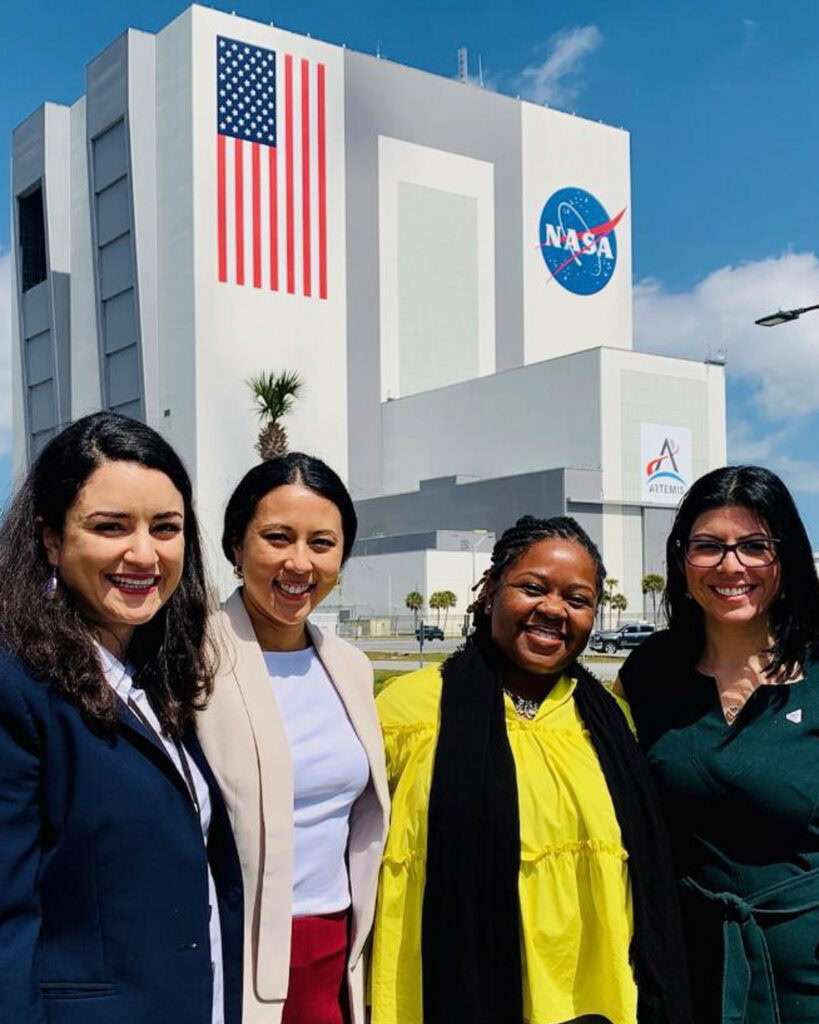
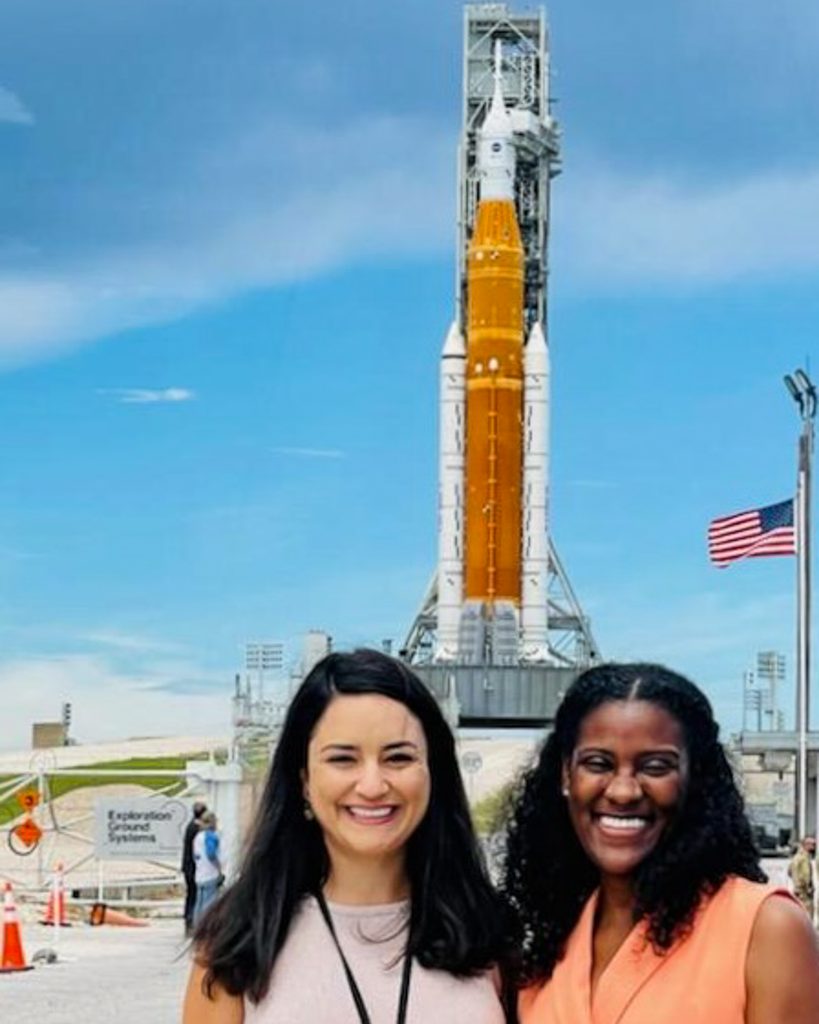
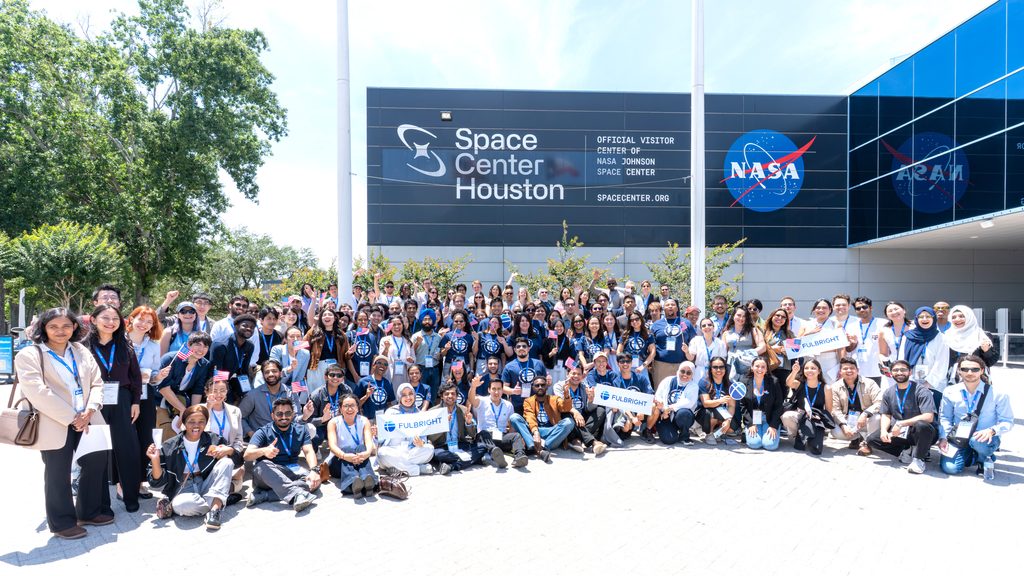
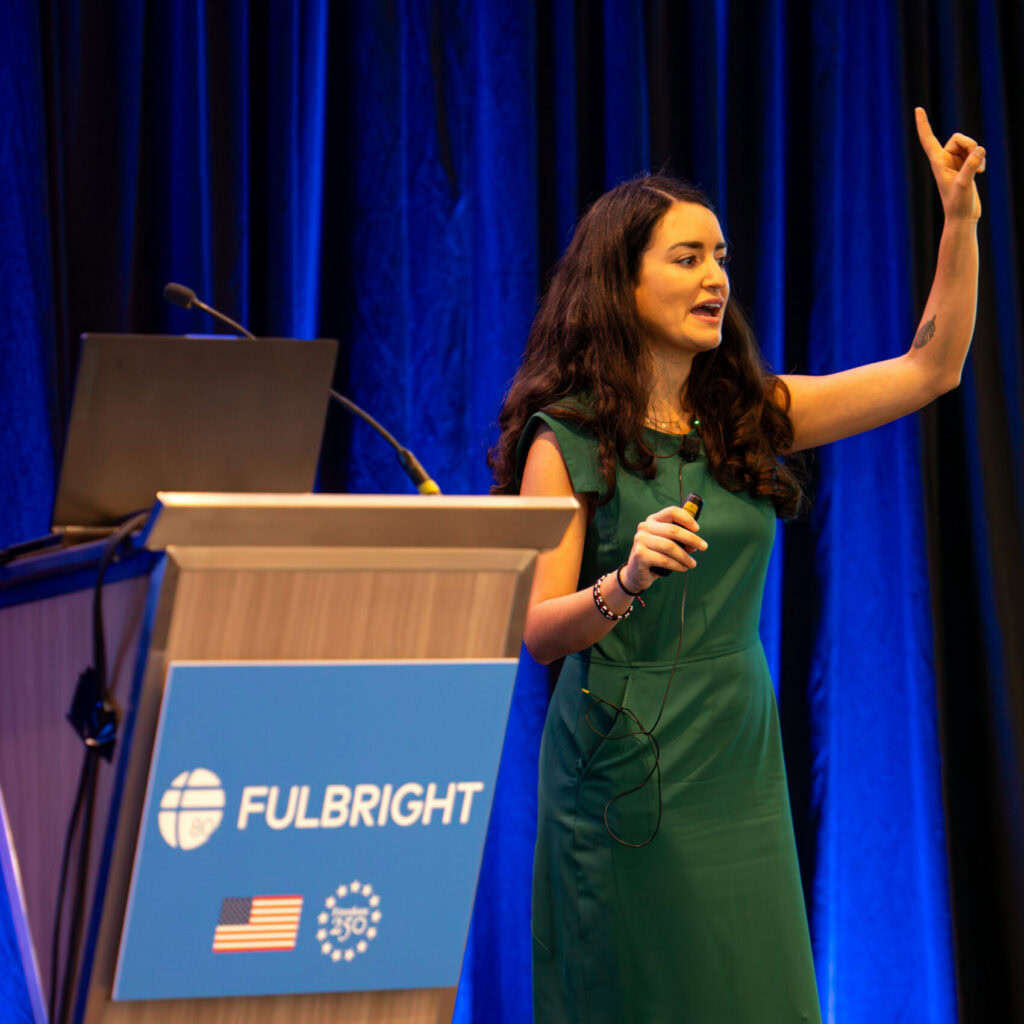
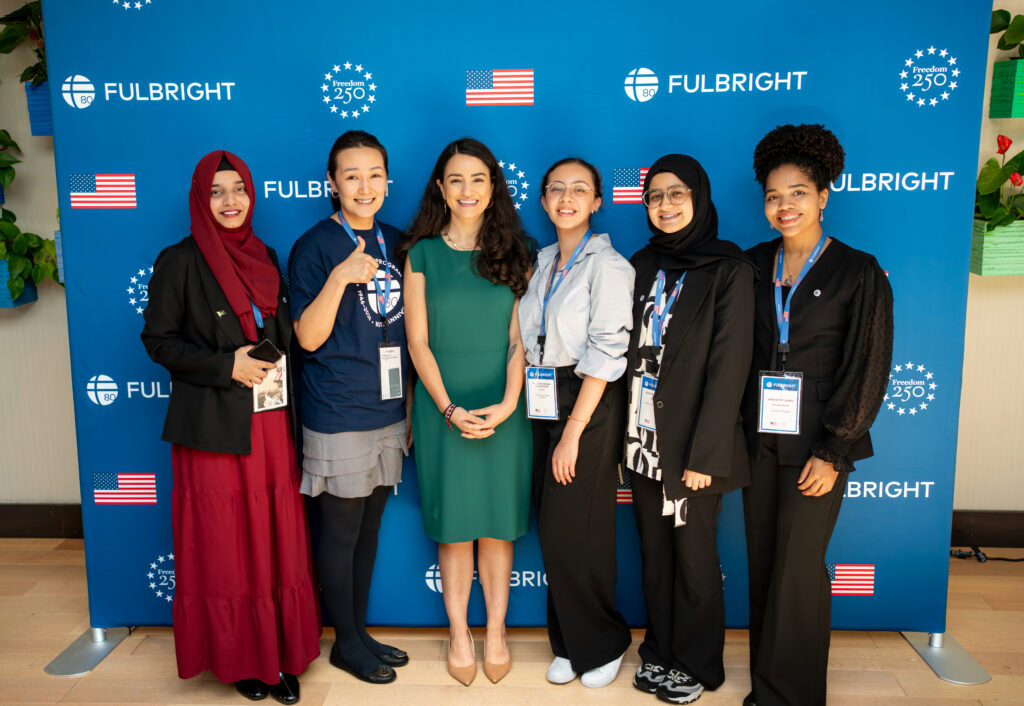
At the Fulbright Freedom 250 Seminar in Houston, Texas, Siboni encouraged Fulbrighters to use their own international experience to broaden their career prospects. Siboni said her Fulbright experience “fostered a fantastic cadre of professional relationships between my NASA and DLR colleagues.” For example, when NASA offered an International Project Management course at Kennedy Space Center to prepare participants to work effectively with partners to support complex international aerospace missions, she was able to connect the American attendees with colleagues and friends from her work in Germany, helping extend and strengthen those international relationships. In her current role, Siboni communicates with representatives and auditors about the economic and positive diplomatic impact of her work. “You can assess value in many different ways, but international relationships are the added value that outlive technology.”