
The technology visionary used his Fulbright to transform mainframes into minicomputers, making America a leader in computer science
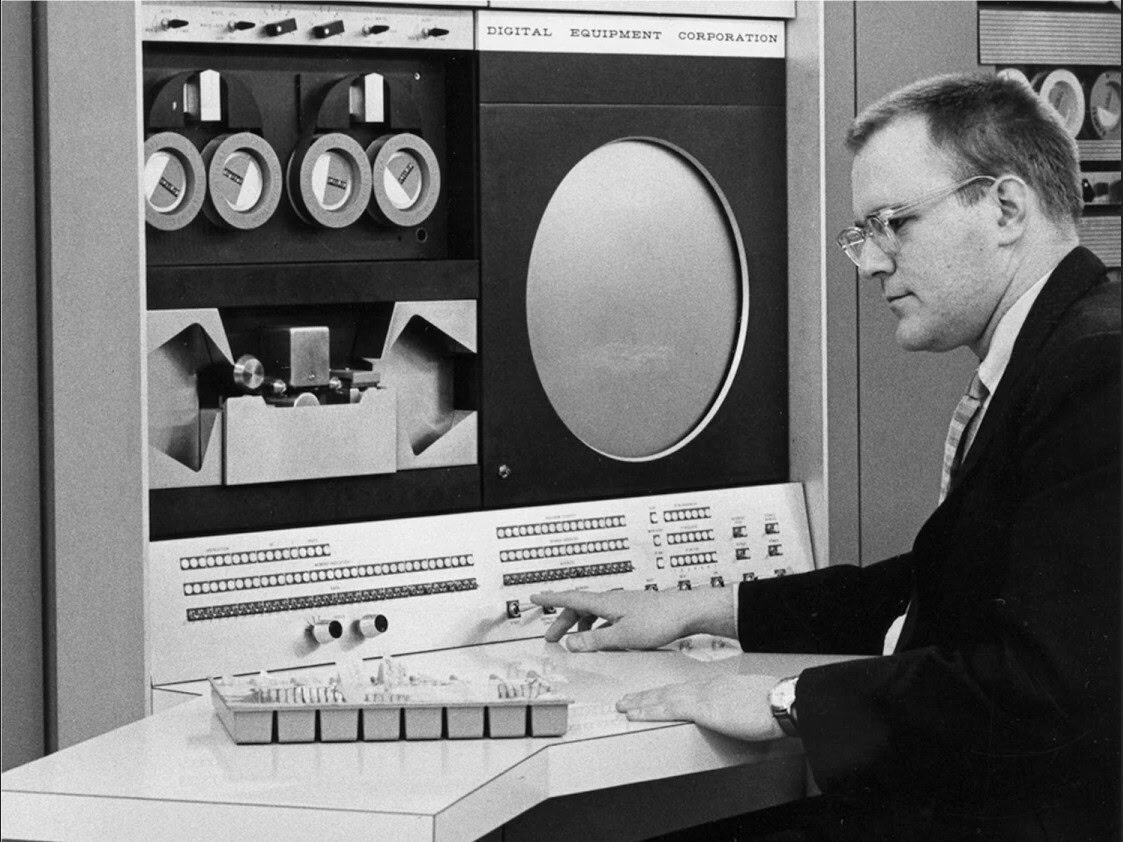
As an engineer and entrepreneur Chester Gordon Bell strengthened America’s position as a global leader in computing and computer architecture. His pioneering contributions innovated the design and organization of a computer’s hardware, transforming computers from mainframes that took up entire rooms into “minicomputers.” Although still the size of a refrigerator, minicomputers were a major step in the personal computer revolution, helping users interact directly with computers that could fit in more businesses and offices.
Fulbright allowed Bell to expand his hands-on experience with various early mainframe computers while educating engineers in the emerging field of computer science. Bell had earned bachelor’s and master’s degrees in electrical engineering from the Massachusetts Institute of Technology (MIT) before receiving a Fulbright award to study information sciences at the University of New South Wales in Sydney, Australia in 1957. In Australia, he developed the university’s first graduate course in computer design, helping “get them started in research.” While there, he also developed software that made it easier to program the university’s computer, which was “used as a personal computer, albeit one you could walk into.”
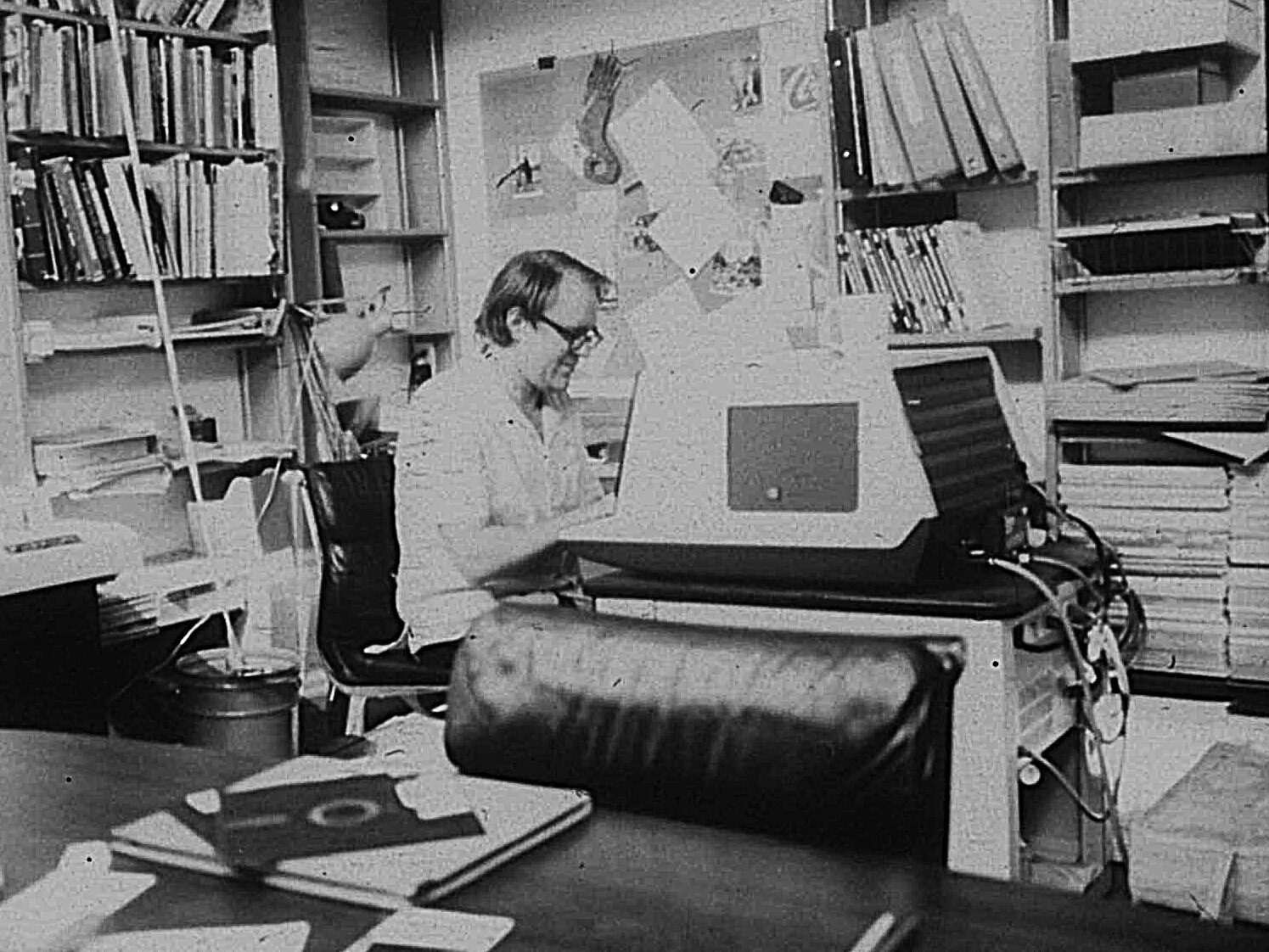
Returning to the United States, Bell worked briefly in research at MIT before joining Digital Equipment Corporation (DEC) in 1960 as the company’s second computer engineer. He viewed working at DEC as an opportunity to “actually DO design and build something.” At a time when computing was dominated by multimillion-dollar mainframes, Bell believed computers should be tools that people could access directly, rather than through specialized operators. Reflecting on this philosophy in a 1985 Computerworld interview, he said, “All the DEC machines were interactive, and we believed in having people talk directly to computers.”
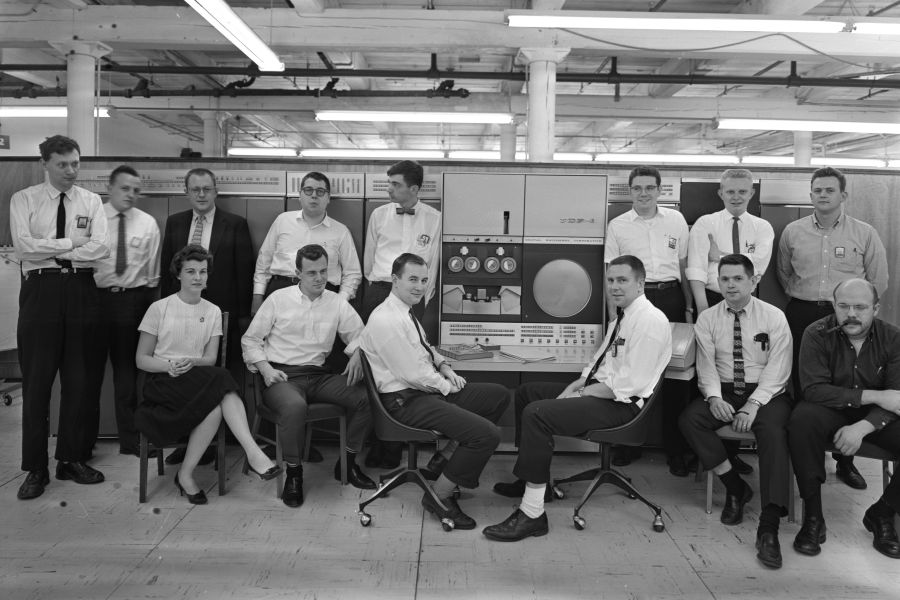
At DEC as a computer architect, Bell designed the placement and structure of computer hardware in many of the company’s landmark systems, including the influential PDP (Programmed Data Processor) family of computers. The PDP-8, launched in 1965, is often considered the first commercially successful minicomputer. Priced at about $18,000—a fraction of the cost of contemporary mainframes—it brought interactive computing within reach of American laboratories, hospitals, manufacturers, and universities.
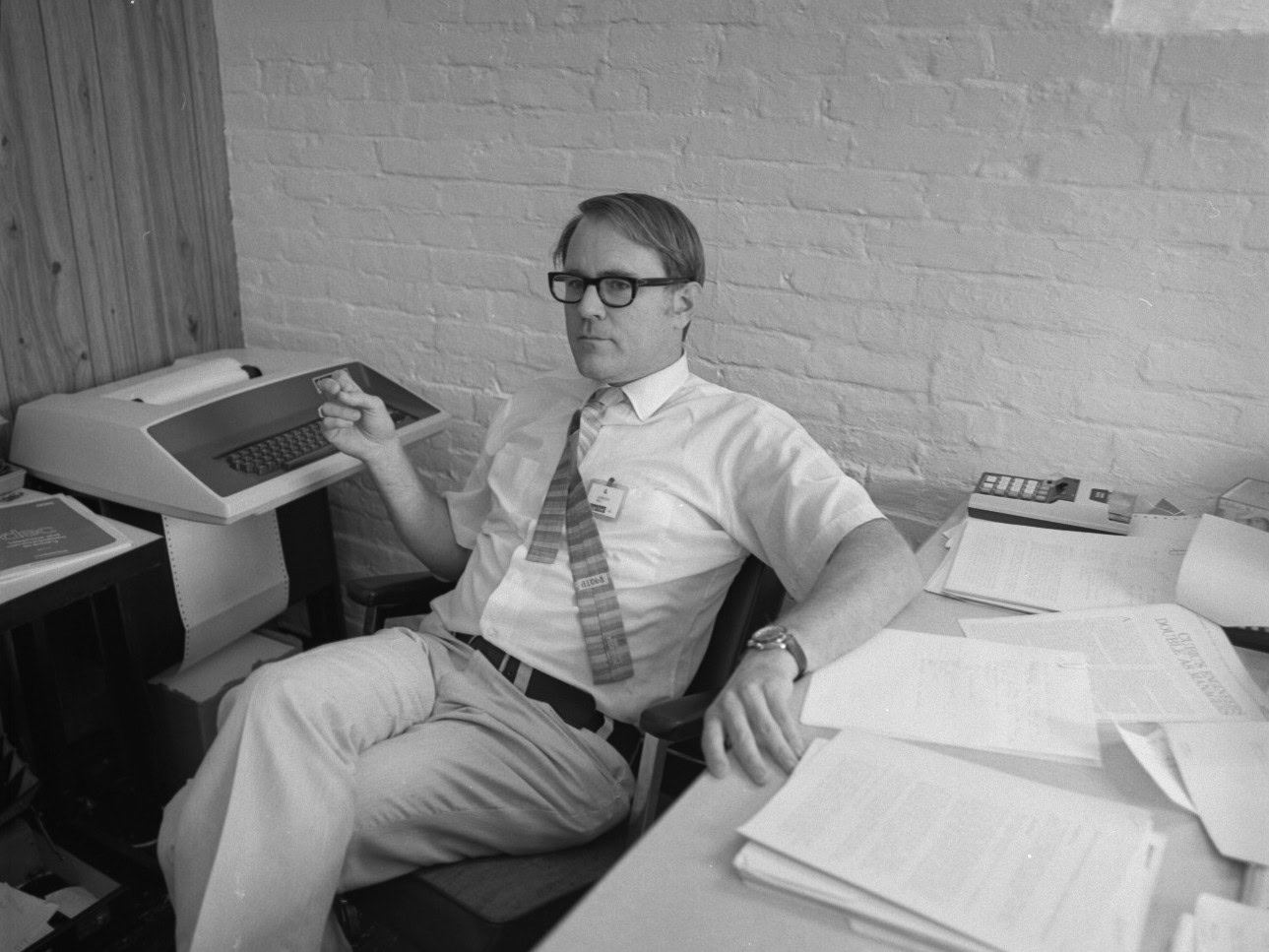
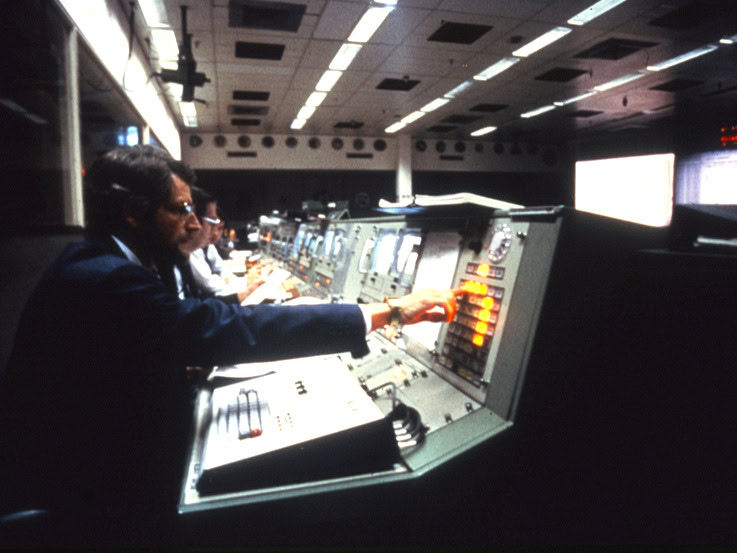
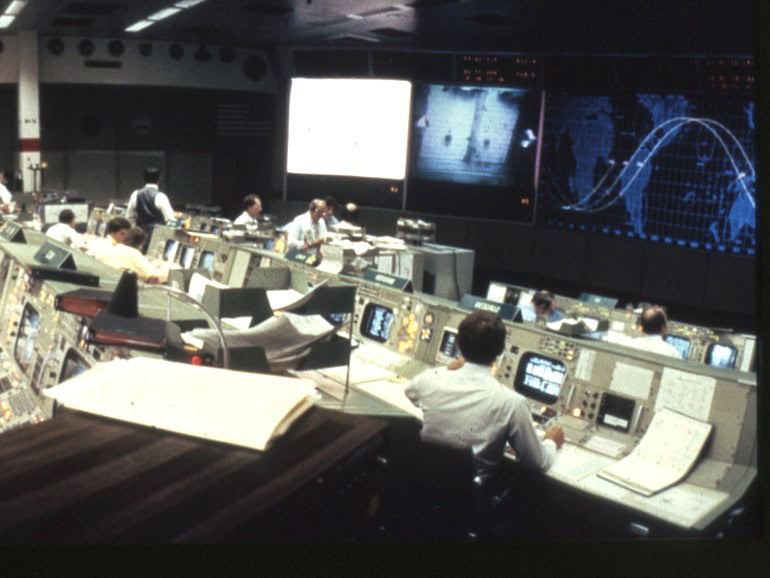
In the early 1970s, Bell led development of the company’s Virtual Address eXtension (VAX) architecture. As vice president of engineering, he directed a team of talented computer architects, engineers and programmers, many of whom would go on to significant careers leading computer innovation. On the success of the VAX-11/780, DEC became the world’s second-largest computer company behind IBM in the 1980s.
During his career, Bell was a part of several paradigm shifts in the computing industry, which he described though “Bell’s Law of Computer Classes.” He explained that advances in semiconductor technology result in new categories of computers each decade, leading from mainframes to minicomputers to personal computers and beyond. Bell observed that “the trick in any technology is knowing when to get on the bandwagon, knowing when to push for change, and then knowing when it’s dead and time to get off.”
Bell’s public service included founding the Computer History Museum with his wife Gwen and the former CEO of DEC Ken Olsen, preserving the history of the technology that transformed modern society. He also served as the first Assistant Director for Computing at the National Science Foundation, and led efforts to develop new high-speed research networks and establish the National Research and Education Network, which became an important precursor to today’s Internet.
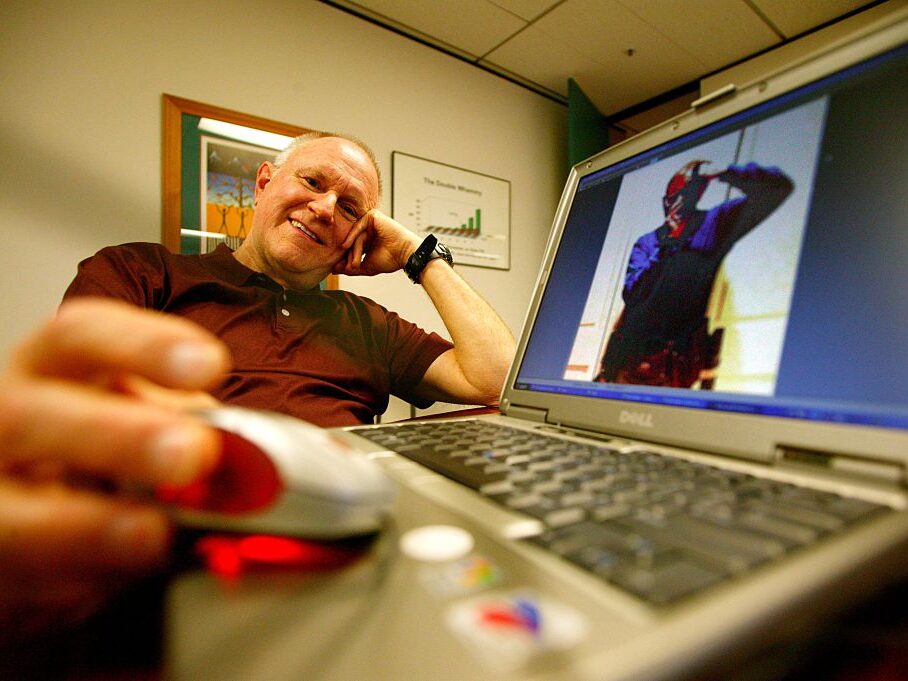
In 1991, President George H. W. Bush awarded Bell the National Medal of Technology for his pioneering contributions to computer architecture. He was elected to the National Academy of Engineering, the National Academy of Sciences, and the American Academy of Arts and Sciences. He later helped found Microsoft Research, where he pioneered work on “lifelogging,” exploring how individuals could capture, store, organize, and search vast collections of personal digital information. His research anticipated many of today’s approaches to personal digital archives and information management.
Bell, who died in 2024, left a legacy that continues to influence computer engineering and the technologies that power the modern digital economy. Bell’s career illustrates how the Fulbright Program can prepare Americans to lead scientific research, engineering, and manufacturing on a global scale.
Sources:
Computerworld. “A Walk Through the Computer History Museum with Gordon Bell.” Computerworld, October 14, 1985.
Allison, David K. Oral History Interview with Gordon Bell, Recipient of the 1995 MCI Information Technology Leadership Award for Innovation, Computerworld Smithsonian Awards. Interview conducted in April 1995. National Museum of American History, Smithsonian Institution. Accessed July 30, 2026. https://americanhistory.si.edu/comphist/bell.html.
Spicer, Dag. “In Memoriam: Gordon Bell (1934–2024).” Computer History Museum, May 23, 2024. https://computerhistory.org/blog/in-memoriam-gordon-bell-1934-2024/.