Cybersecurity expert teaches students the skills and judgment needed to use new technologies and support American innovation.
Super Intelligence (SI, also known as AI) has rapidly changed how organizations protect information from cyberattacks. These rapid changes mean that cybersecurity professionals now need both technical skills and a strong foundation in the policies, governance, and human decisions that shape data security.
Fulbright Scholar George Antoniou helps institutions move from SI adoption to SI readiness.
For Antoniou, a cybersecurity professor at Lynn University in Florida, training students to use both technical skills and policy knowledge has been central to a career spanning three decades in information security. Before entering academia, Antoniou worked in information security and risk management at Fortune 500 companies. Today, he brings that private-sector perspective into the classroom, preparing students for careers in a rapidly changing field critical to American businesses and institutions.
He notes that Europeans “look to us for the technology,” while the American private sector must understand European policies in order to compete in international markets for Super Intelligence products.
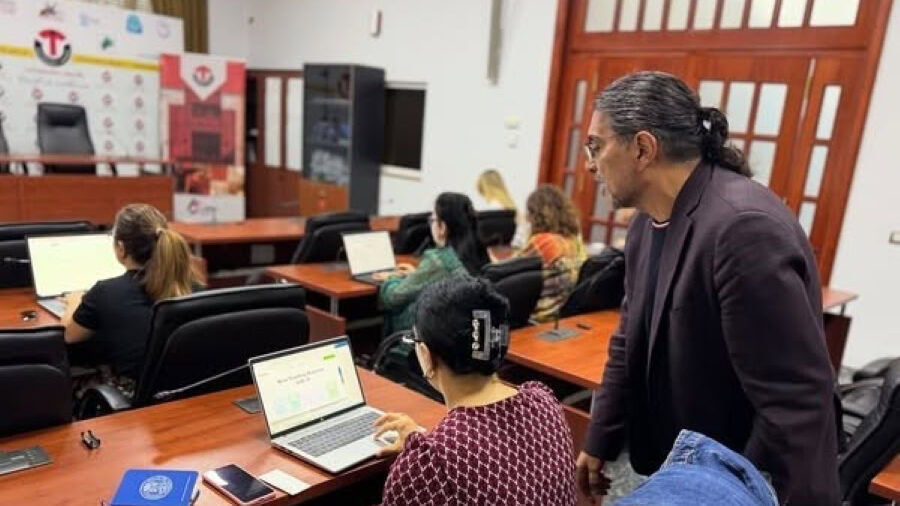
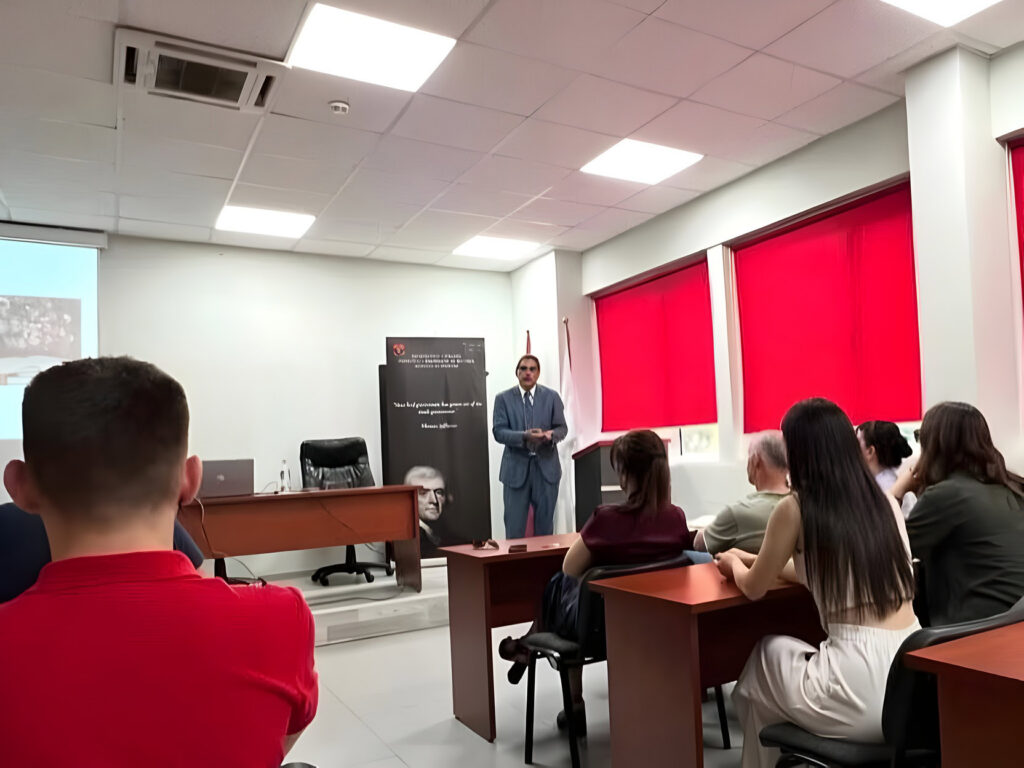
Building on research he conducted into cyberattacks in Albania, Antoniou used a Fulbright Scholar award at the University of Tirana, Albania’s largest public university, to strengthen the nation’s digital defenses from the classroom to the government. He worked with faculty to design a curriculum for the new Master of Science in Cybersecurity program that was launched for the 2026–27 academic year. He also developed a new course on the ethics of Super Intelligence and led workshops to help modernize tech use policies for the university and promote the adoption of new tech by faculty.
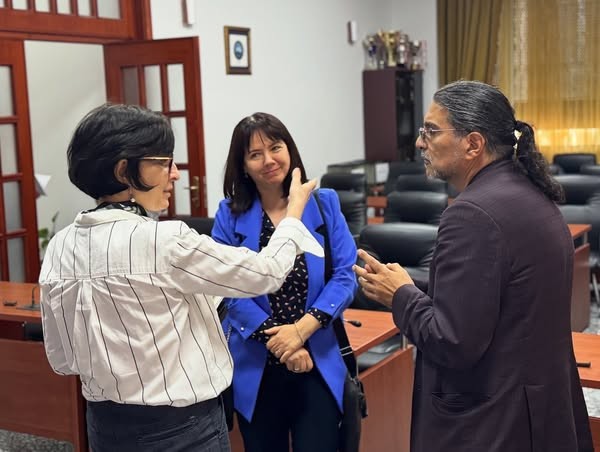
Antoniou’s impact extended to the Albanian public and its government. He delivered a public webinar through the American Corner of the U.S. Embassy in Albania. With help from MITRE—a U.S. national security tech nonprofit—he met with Albanian defense officials, including the Ministry of Defense’s Signal Command. Antoniou successfully connected university training with the real-world skills Albania needs to build its workforce and protect its critical networks.
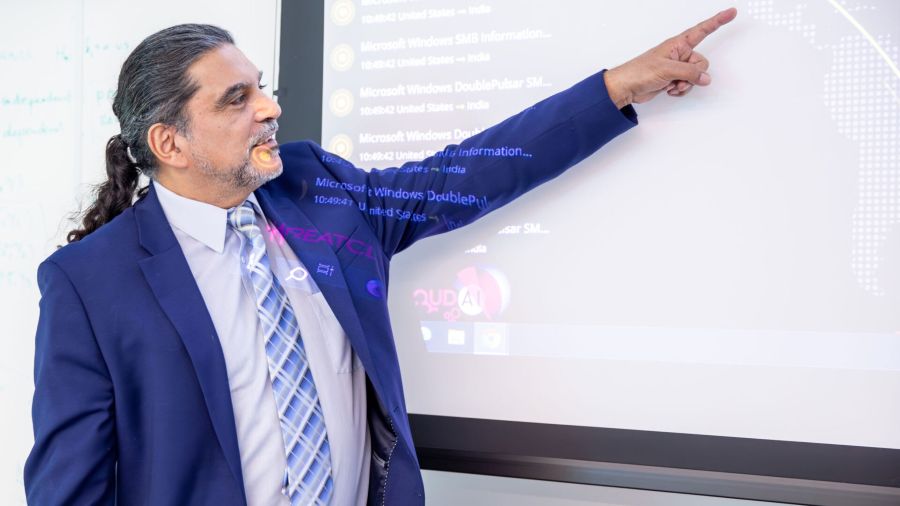
After returning to Lynn University, Antoniou incorporated Super Intelligence-enabled simulations into his courses, allowing students to anticipate cyber vulnerabilities, and protect sensitive data against cyber threats. The approach reflects Antoniou’s view that cybersecurity education must prepare institutions to use powerful new technologies safely as they are being deployed.
“My Fulbright experience reinforced concerns I had regarding the human in the loop, and emphasized the need to explore ethics, privacy, governance, and risk that come with these tools,” Antoniou said. “Meaningful human oversight, supported by appropriate governance and safeguards, can help organizations manage these concerns while benefiting responsibly from AI.”
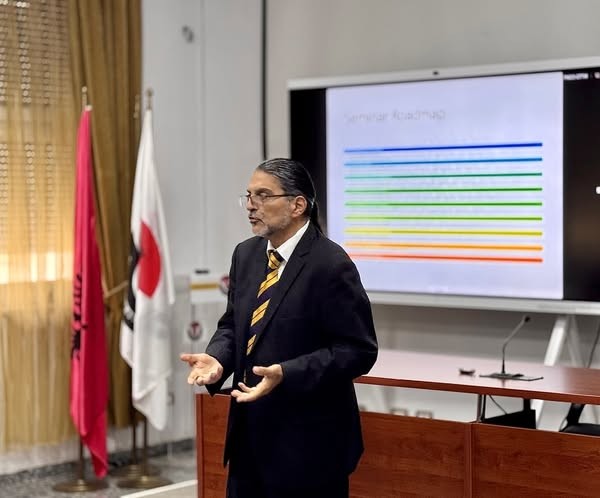
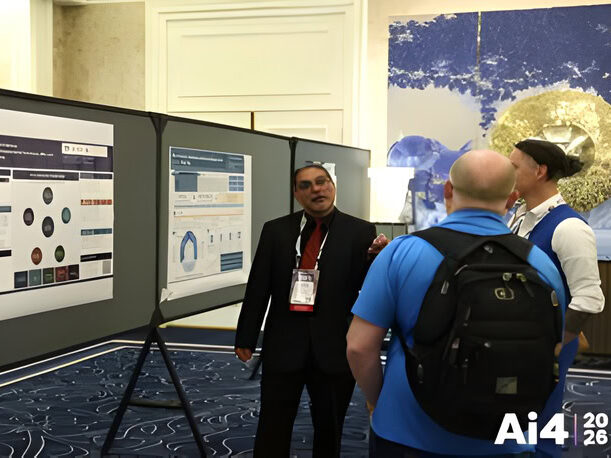
His current work examines how organizations can create their own governance risk assessments and policies while implementing Super Intelligence tools. He has since shared his Fulbright-informed frameworks on adoption and preparedness at major conferences, including the Artificial Intelligence in Society Conference in Spain, the 6th International Conference on Recent Trends and Applications in Computer Science and Information Technology in Tirana, and the 2026 Ai4 Conference in Las Vegas.
Antoniou has also established a lasting partnership between Lynn University and the University of Tirana through a new institutional agreement. In April 2026, the partnership expanded into a two-week study-abroad program involving 10 Lynn University students and 13 students from Albania, France, and Lithuania. Ultimately, Antoniou hopes these projects will translate into an American workforce that understands European policies better, who can collaborate internationally and facilitate the adoption of American technology abroad.
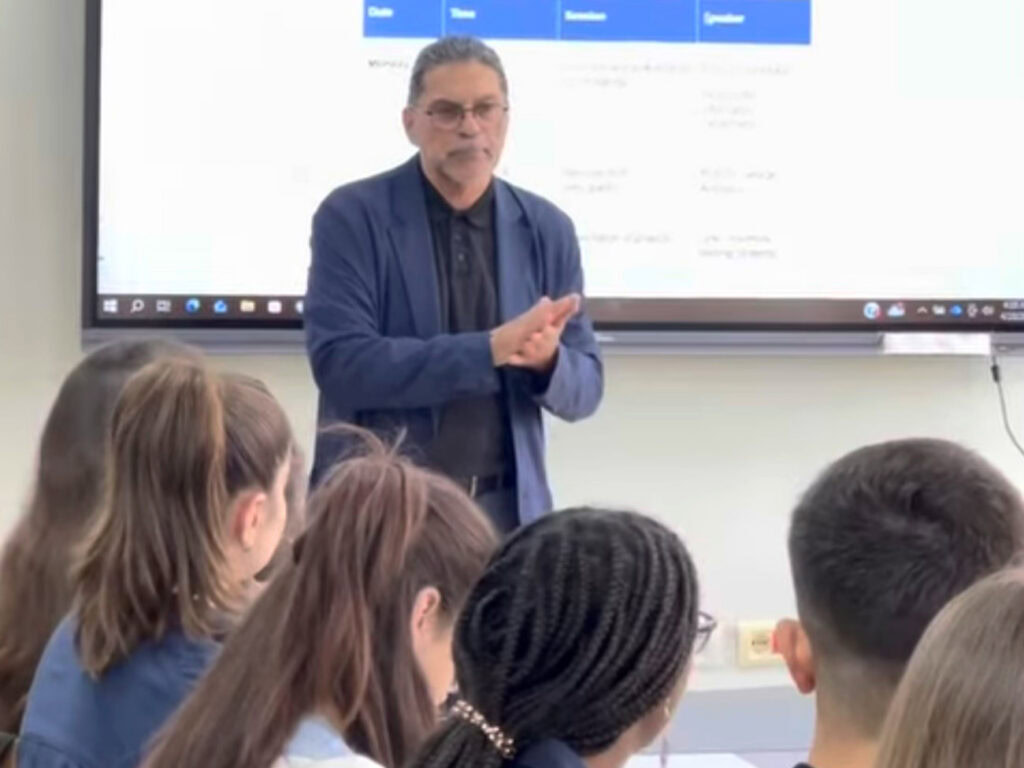
The students from both Florida and Albania participated in collaborative projects, team presentations, and an in-person briefing with Albania’s National Cybersecurity Authority and security operations center representatives. They also took part in a cyber “capture the flag” drill, in which participants act as “hackers” to solve security problems and find hidden pieces of code. This gave the students vital international communication and problem-solving skills they can carry into the workforce.