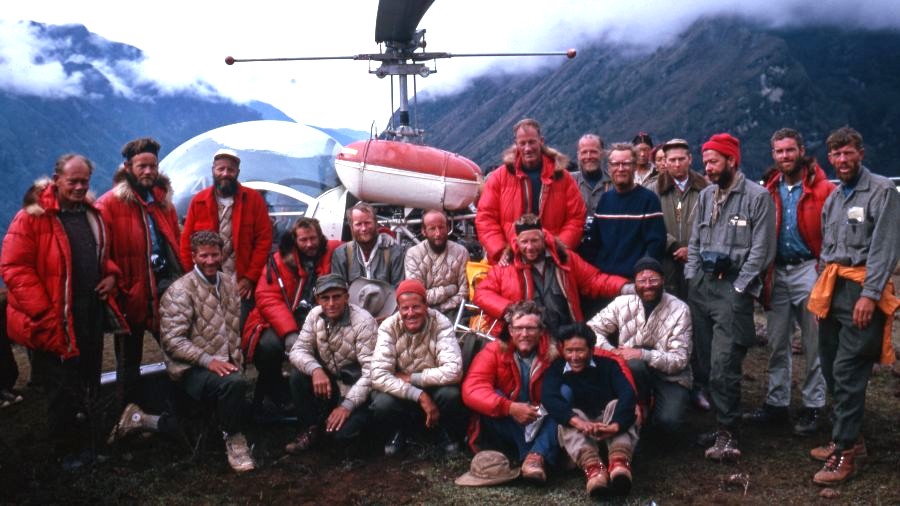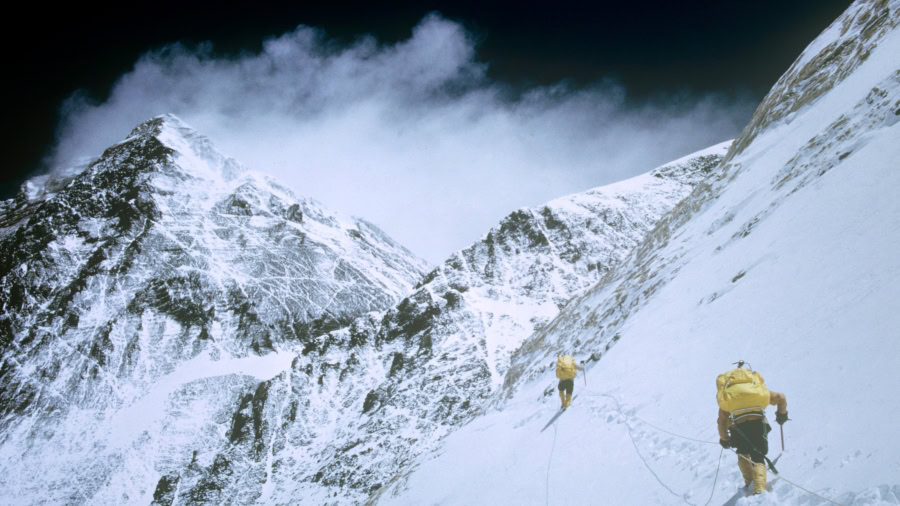
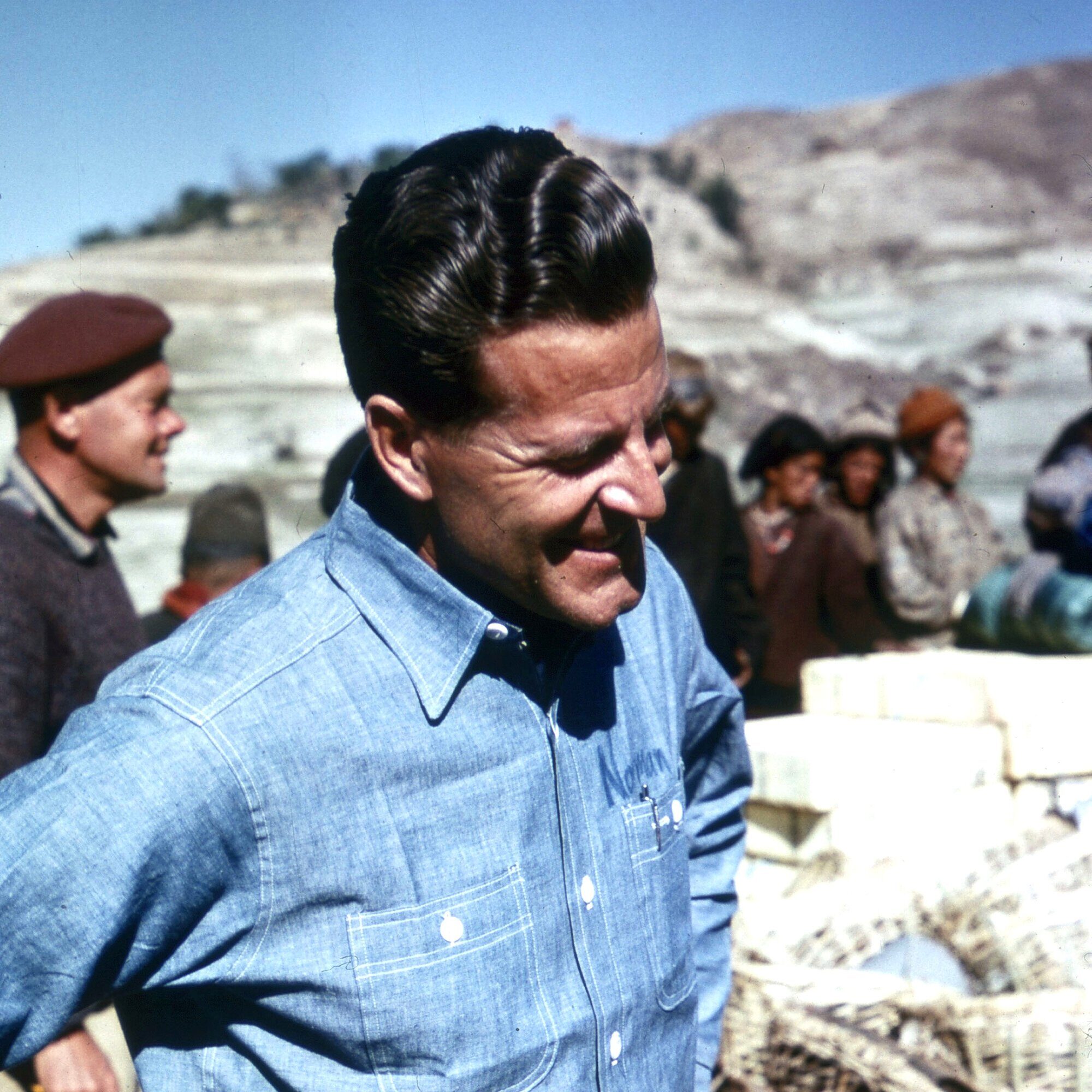
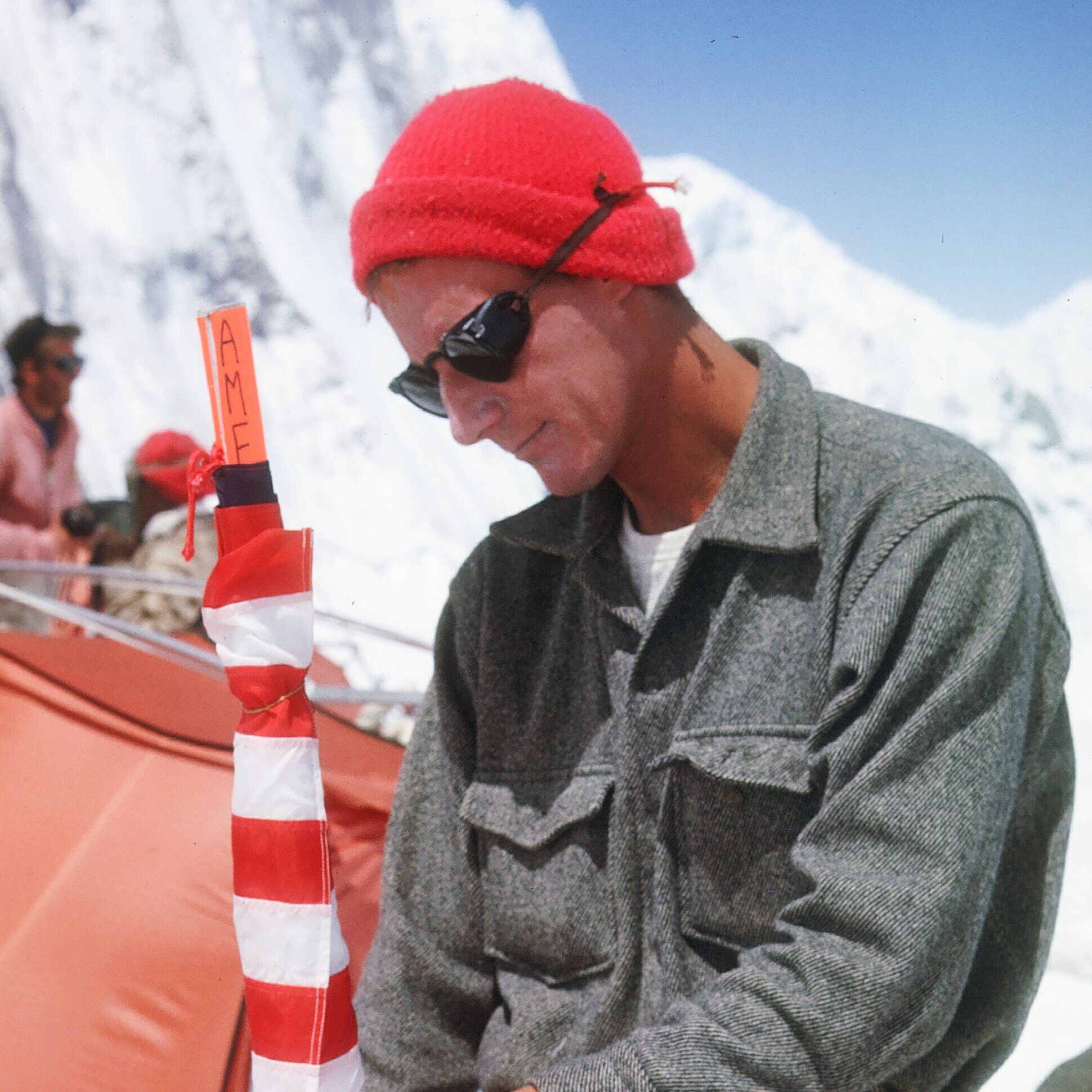
On May 1, 1963, the first American to summit Everest, Jim Whittaker, completed his historic ascent. The expedition that placed him there, along with four other American climbers, was planned and led by Norman Dyhrenfurth, a climber, videographer, and 1953 Fulbright U.S. Scholar to Italy. The success of the expedition created a media sensation that launched a sustained interest in mountaineering by the American public that continues to this day.
Dyhrenfurth’s first attempt on Everest was in 1952. Although he didn’t reach the summit, the attempt laid the groundwork for Edmund Hillary of New Zealand and Tenzing Norgay of Nepal to do so in 1953. In the following years, Dyhrenfurth worked tirelessly to return to Everest. He recruited a team of exceptional American climbers—including Whittaker as well as Barry Bishop, Willi Unsoeld, Lute Jerstad, and Tom Hornbein—and secured both funding and permission from the Nepalese government to make another expedition. Finally in 1963, everything lined up. The American climbers carried the American flag to the highest point on Earth, also mapping a new, technically challenging route to the summit that was considered a benchmark technical achievement of mountaineering at that time.

Upon their return, Dyhrenfurth and other members of the expedition were celebrated as heroes and received numerous accolades. The National Geographic Society awarded them the prestigious Hubbard Medal, which has been given only 56 times since 1906 to legendary explorers including Roald Amundsen, Ernest Shackleton, Charles Lindbergh, and Neil Armstrong. Americans on Everest, a documentary account of the expedition directed by Dyhrenfurth and narrated by Orson Welles, became National Geographic’s first television special, achieving the highest ratings of any televised documentary in history at its debut.
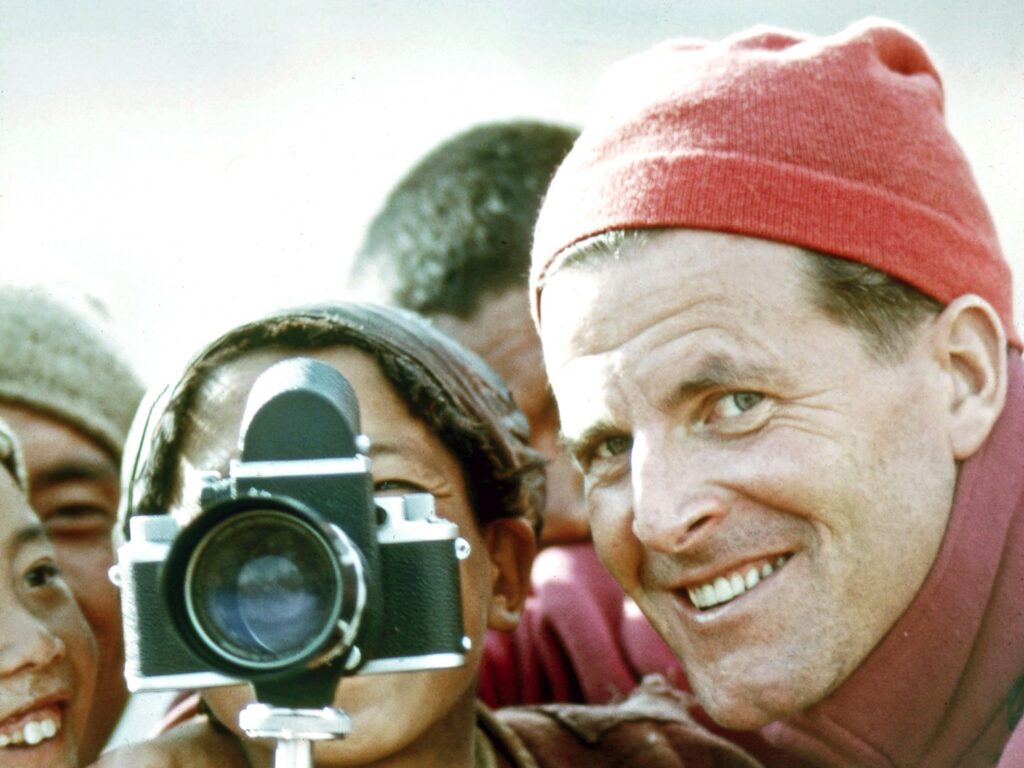
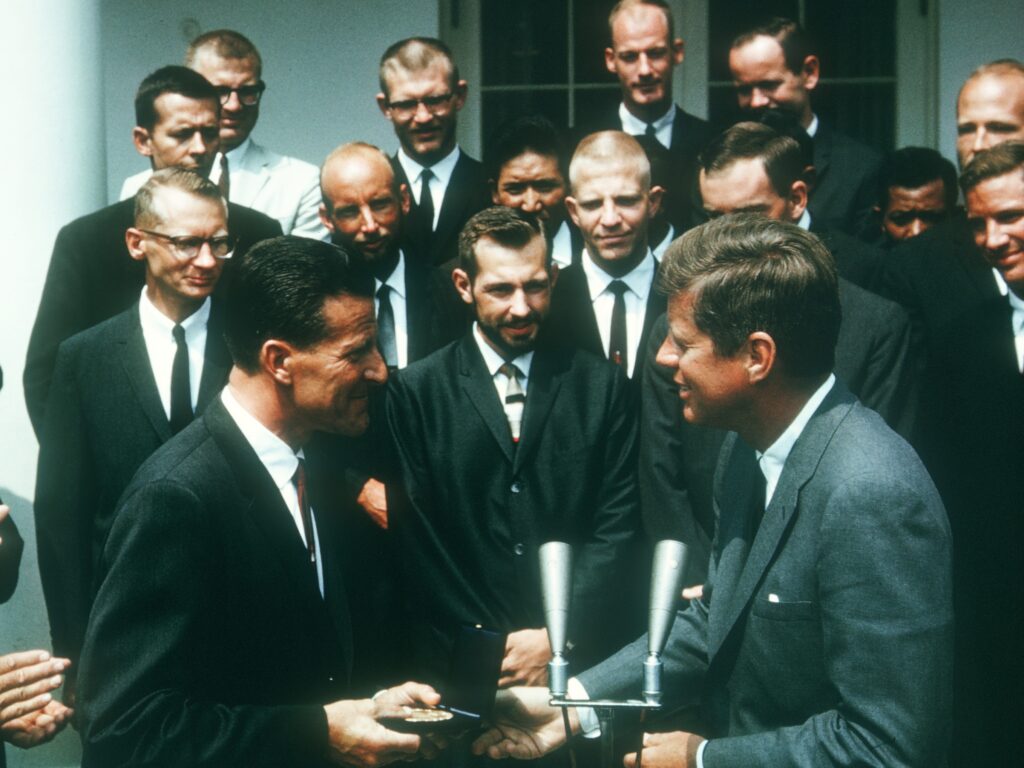
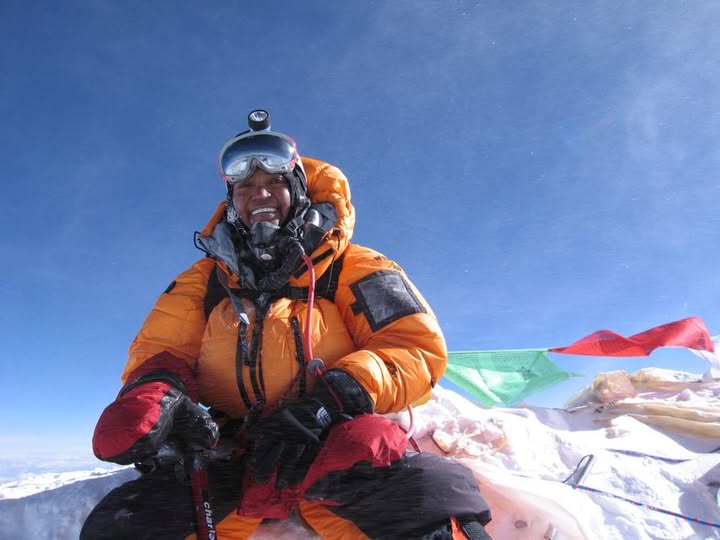
Dyhrenfurth’s expedition blazed the trail for American climbers, including Fulbright alumna Sophia Danenberg, a groundbreaking mountaineer in her own right, who summitted Mount Everest in 2006. Danenberg discovered climbing while pursuing graduate study as a Fulbright U.S. Student to Japan in 1995. Her Everest ascent placed her within a lineage of alumni whose Fulbright experiences informed both their careers and their historic achievements in athletic endeavors. Danenberg’s mountaineering successes parallel her engineering successes, as she became the “aerospace industry’s top expert in the use of regulated chemicals and materials in airplane production,” according to GeekWire.

The Fulbright connection to Everest has also endured through film and storytelling. Fulbright alumna Lucy Walker received a Peabody Award and a Sports Emmy Award for her documentary Mountain Queen: The Summits of Lhakpa Sherpa. Like Dyhrenfurth’s Americans on Everest, Walker’s work has focused attention on Everest and the lives of those who climb it.
As the United States observes Freedom 250, the accomplishments of Fulbright mountaineers and filmmakers who have showcased the highest mountain in the world have underscored a legacy of American excellence. Through Fulbright, the spirit of curiosity and excellent endures across generations, transforming possibility into lasting achievement.