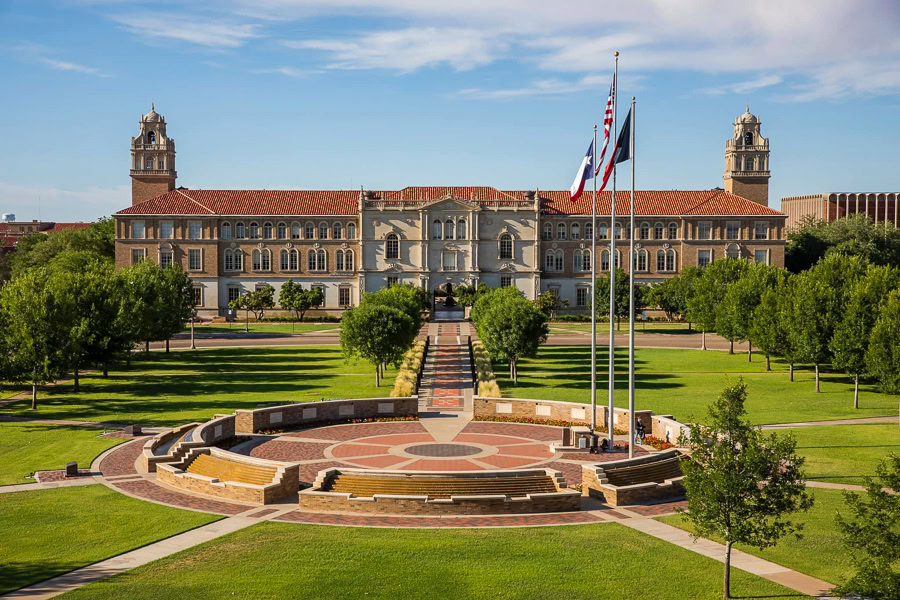
Texas Tech University recognizes that exceptional students thrive under faculty with global experience. As part of a deliberate strategy to develop leaders in their fields and communities, the institution has cultivated a campus culture that encourages faculty to pursue Fulbright U.S. Scholar Awards and equips them for success.
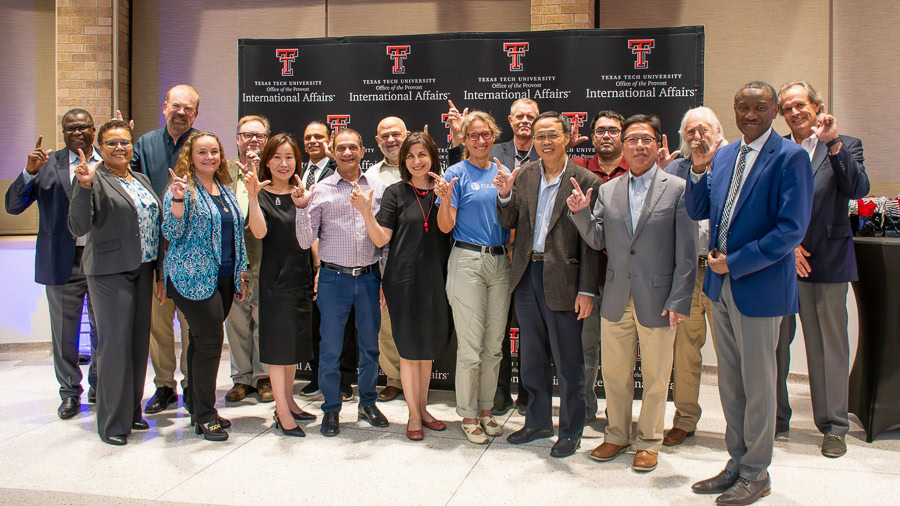
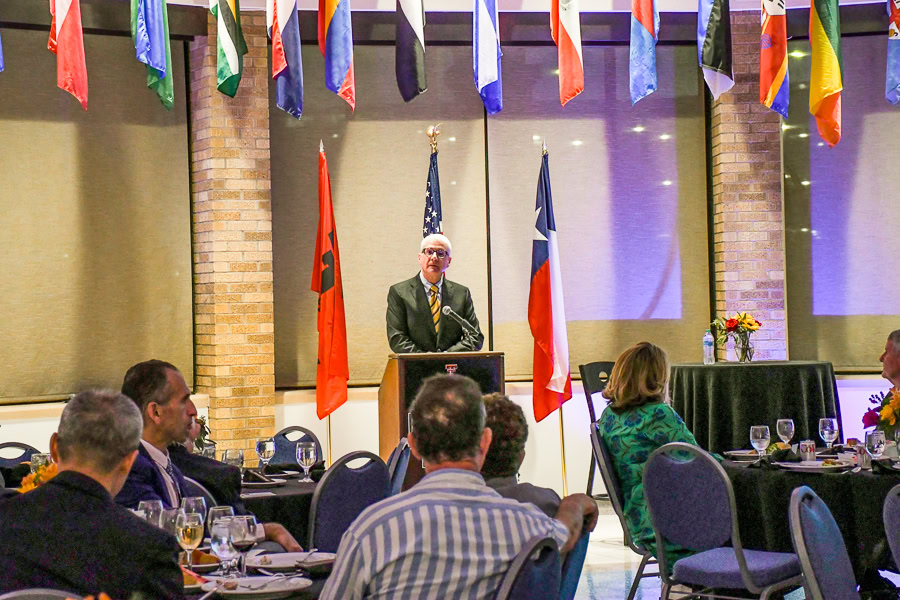
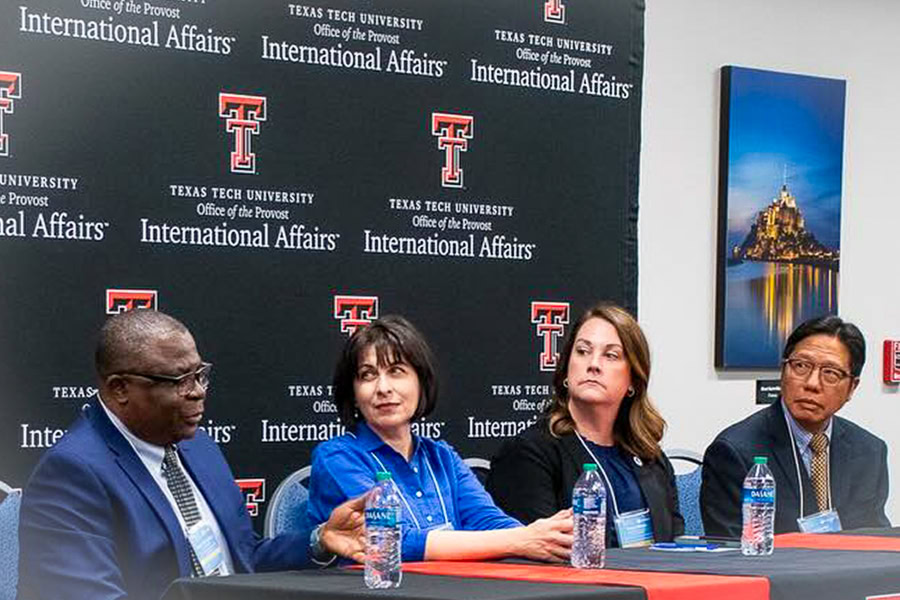
The University’s leadership actively reinforces this culture. Fulbrighters are supported throughout the award cycle, from application through participation, and finally as Fulbright alumni on campus. Seed grants allow prospective Fulbrighters to travel abroad to build partnerships and plan impactful projects. Fulbright Scholar Liaisons host monthly information sessions and intensive summer writing groups, and hold an annual dinner celebrating alumni. These initiatives are designed to improve both application success and post-award impact.
In 2025–26, seven Texas Tech faculty members were selected as Fulbright U.S. Scholars, making it a top producer of Fulbright U.S. Scholars for the fourth time, and reflecting its consistent, campus-wide support for applicants to the award.
“Our Fulbright recipients speak volumes about the quality and impact of Texas Tech as a university. Their work reflects a level of international engagement that signals we have truly arrived on the global stage—not simply participating in global dialogue but helping to lead it in critical areas,” said Provost & Senior Vice President Ron Hendrick. “Fulbright awards do more than enhance our reputation; they build enduring relationships with universities, governments, and communities around the world, strengthening Texas Tech’s global influence and impact.”
The International Affairs office emphasizes that Fulbright is central to Texas Tech’s commitment to advancing cultural, academic and economic development locally, nationally and globally. They mark these Fulbright achievements in a dedicated Fulbright photo exhibit displayed in the International Cultural Center and the President’s Office.
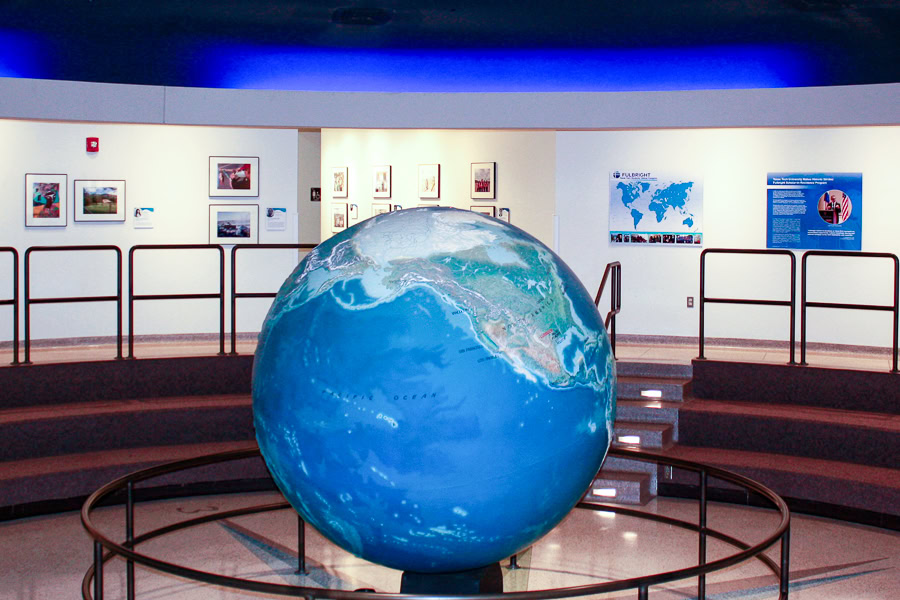
Texas Tech Fulbrighters come from a wide range of disciplines, with particularly strong representation in agriculture. The Davis College of Agricultural Sciences & Natural Resources serves as a hub for research, applied learning and industry collaboration, and Fulbright provides a pathway for students and faculty to gain international agricultural experience.
Dr. Conrad Lyford, professor of agricultural and applied economics, has twice served as a Fulbright Scholar in Africa, in Ethiopia (2015) and Ghana (2022). His work on agribusiness and nutrition connects theoretical research and real-world solutions. Lyford’s Fulbright experiences informed his development of Texas Tech’s Master of Agribusiness program and strengthened the university’s partnerships. His research—including an award-winning project on promoting healthy eating in local families with young children—engages the community and illustrates how Fulbright enables scholars to make lasting local and international impact.
Dr. Natalia Velikova, professor of wine marketing and associate director of the Texas Wine Marketing Research Institute, used her Fulbright to show Texan leadership in global wine markets. She was a Fulbright U.S. Scholar to Bulgaria (2022), the Republic of Georgia (2016), and a Fulbright Specialist in Bulgaria (2023). Her research and training in these emerging wine regions strengthened Velikova and Texas Tech’s expertise in wine markets and tourism. She notes that her Fulbright projects “have served as a catalyst for a sustained cross-cultural exchange of knowledge, significantly enriching the academic and cultural landscape of Texas Tech University.”

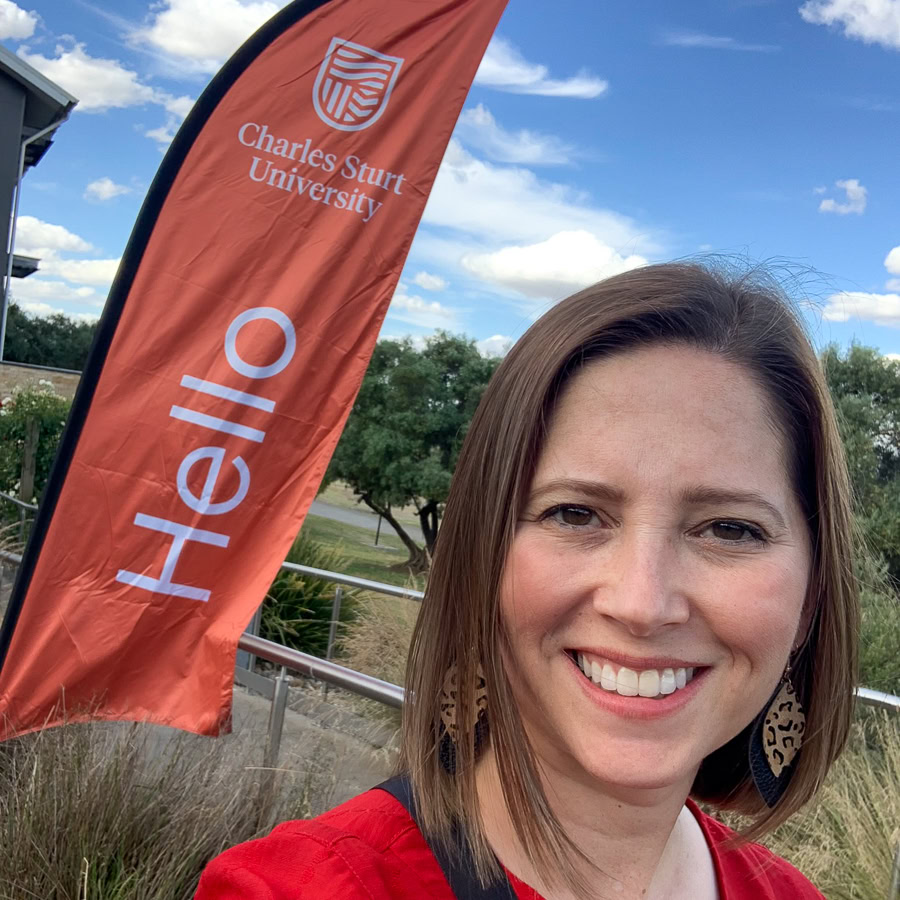
Dr. Courtney Meyers, professor of agricultural education and communications, was a Fulbright Scholar to Australia. She analyzed how agricultural issues and innovation are communicated internationally—insights she now integrates into graduate education and advising at Texas Tech. “The Fulbright experience allowed me to explore some of those issues in Australia with focus on how communication activities were used to reach various stakeholders,” Meyers said. “Gaining this perspective has allowed me to bring new ideas and approaches into my classroom to benefit my Texas Tech students and has led me to ask new research questions regarding the impact of effective communication.”
Fulbright Scholars at Texas Tech have extended the university’s reach across the globe and their respective disciplines. They have integrated their new perspectives into their teaching and mentoring to benefit the students of Texas Tech, helping the next generation of Americans become global leaders themselves.