
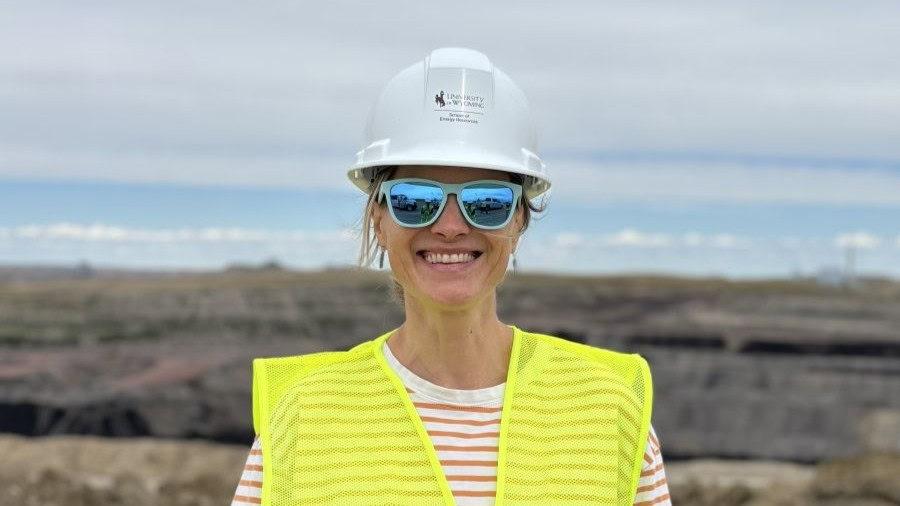
Dr. Erin Phillips, PhD, returned from a Fulbright to Norway to support America’s work on critical minerals through economic growth, workforce preparedness, and national security.
Phillips, Acting Senior Director of Research at the University of Wyoming School of Energy Resources (SER), received a 2025 Fulbright U.S. Scholar award to study critical minerals supply chains and energy systems. Phillips is a geologist who explores mining waste streams as potential sources of valuable minerals. This work addresses both the technical challenges of identifying mineral content and the policy surrounding resource use.
Phillips’ work aligns closely with the University of Wyoming’s mission to advance energy-driven economic development by supporting emerging industries and preparing a skilled workforce in the American minerals and energy sectors. In Wyoming, Phillips has served as principal investigator on a U.S. Department of Energy-funded project examining coal byproducts in the Powder River Basin as a potential source of rare earth elements and critical minerals such as germanium, gallium, cobalt, vanadium, titanium, and tungsten.
These critical minerals are used in advanced magnets, semiconductors, and defense manufacturing and are essential to modern energy systems and national security.
Her time abroad deepened her understanding of different approaches to mineral resources, technology, workforce readiness, and public engagement around energy and mining. During her Fulbright, Phillips worked with researchers at the NORCE Norwegian Research Centre to explore how international collaboration can support management of critical materials and strengthen supply chains. Both Norway and Wyoming are leaders in critical minerals policy and share many environmental similarities, so they presented valuable comparative approaches for Phillips to study.
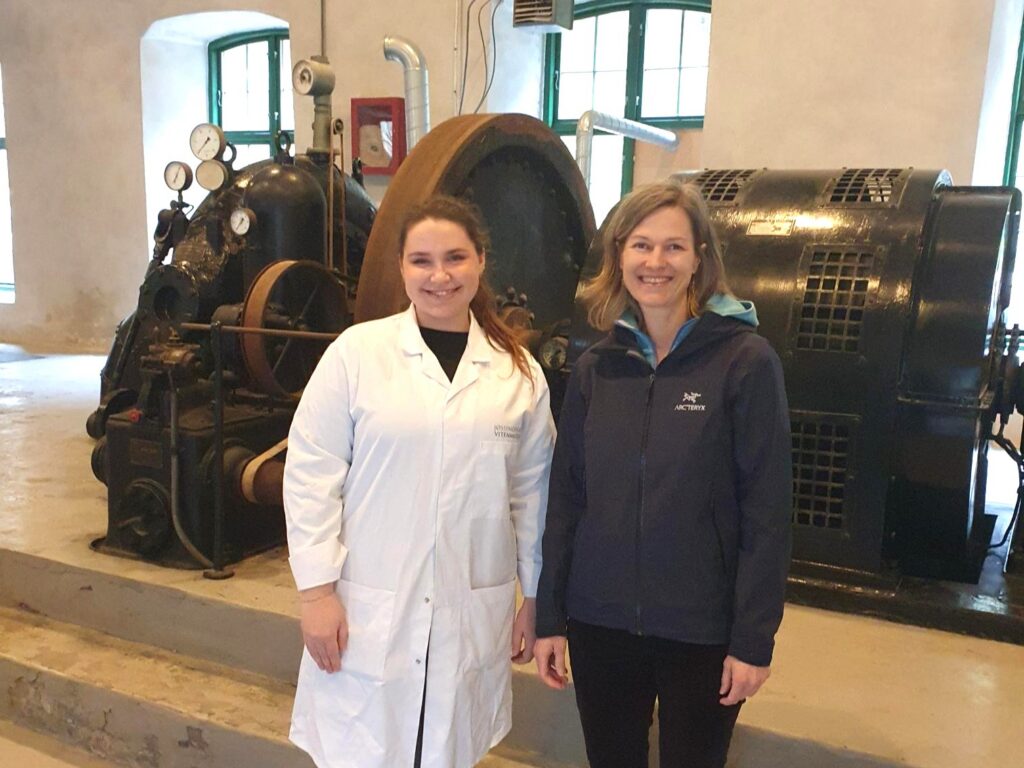
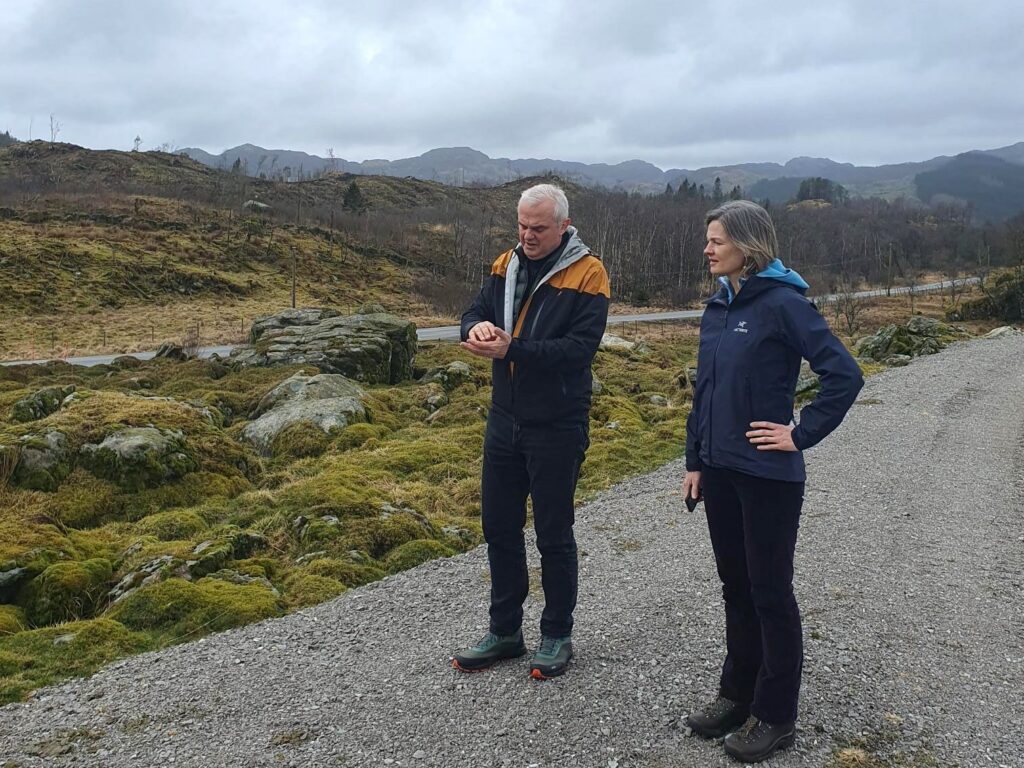
“Critical minerals are clearly a hot topic at the moment, and that is largely due to national security concerns of many countries,” Phillips said. While many countries are working to develop domestic supply chains, she noted that global collaboration remains essential. “We live in a global economy” she explained, adding that an international perspective is increasingly important as U.S. policymakers, industry leaders, and researchers work to secure reliable mineral supply chains and develop the workforce needed to support them.
Her Fulbright experience gave her insights into how universities and industry can partner together to train scientists, engineers, and policy specialists to use these resources responsibly.
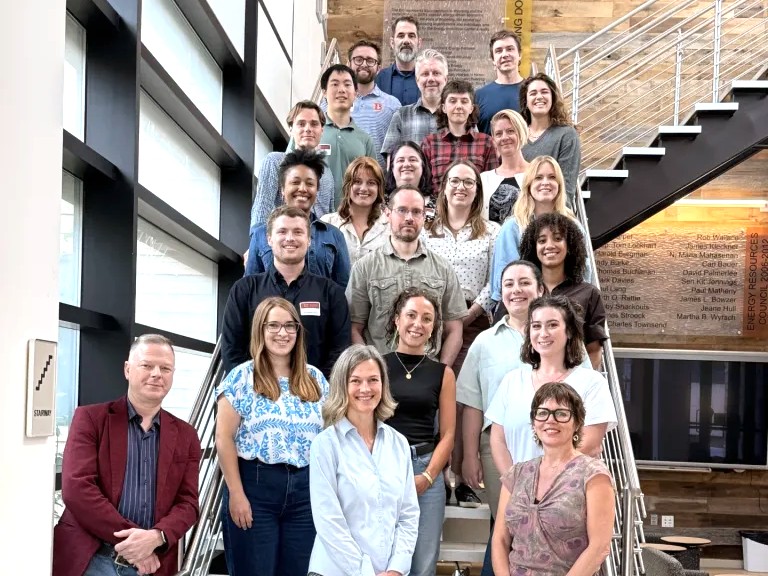
Upon completing her Fulbright and returning to Wyoming, Phillips led the inaugural Critical Minerals Leadership Academy, a U.S. Department of Energy–funded program hosted by SER. The academy brought together 19 early-career professionals and graduate students from across the country working throughout the critical minerals supply chain. Participants learned from experts, explored projects in Wyoming and across the United States, and built a national network of emerging leaders in the critical minerals sector. Phillips said her international experience encouraged participants “to think critically about global energy and mineral challenges.”
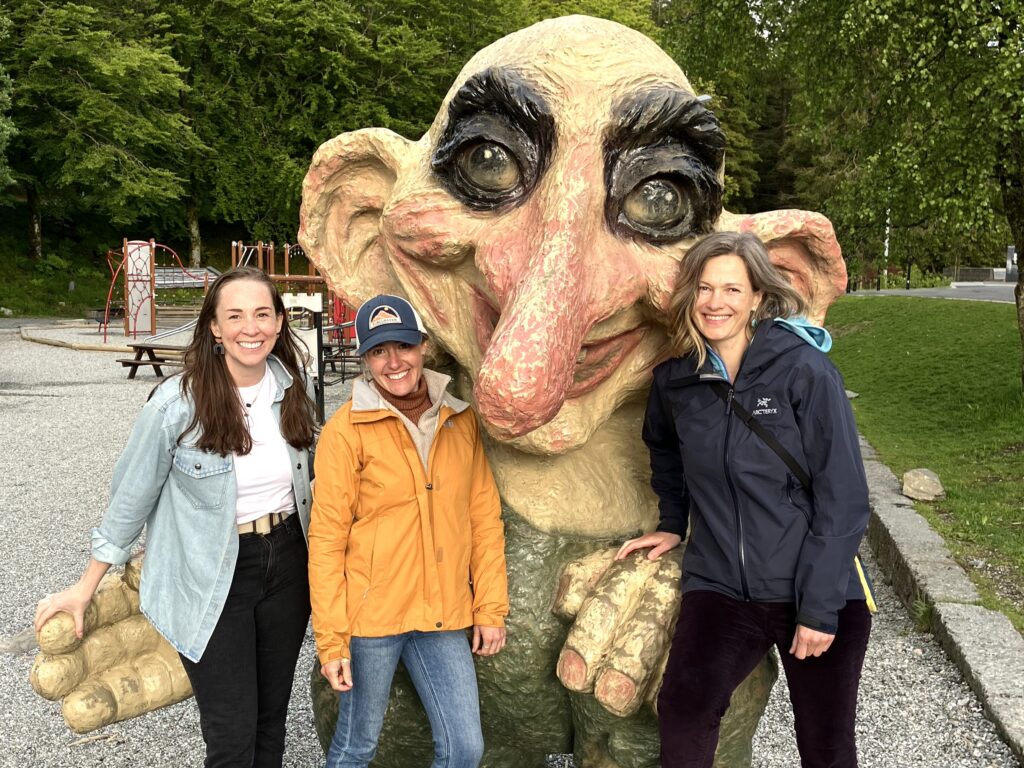
At the University of Wyoming, Phillips’s involvement in the critical minerals industry means expanding the state’s long-standing leadership in energy production while supporting new industries and expanding technical expertise. And Phillips’s Fulbright in Norway has created more opportunities for Wyoming’s students, preparing them to enter the workforce with knowledge about this crucial field.
For example, in spring 2026, Phillips co-led an interdisciplinary study abroad course titled Global Experience in Energy: Energy Synergies between Norway and Wyoming, organized with SER colleagues Selena Gerace and Madeleine Lewis and developed in collaboration with researchers at NORCE Research Center. Students spent two weeks in Norway visiting Bergen, Stavanger, and Oslo, exploring the country’s energy and mineral sectors while comparing geological, technical, policy, legal, and social science perspectives with Wyoming’s resource-based economy.
“Some of the most formative experiences of my undergraduate and graduate education were study abroad courses,” Phillips said. “I am excited to facilitate that experience for students at the University of Wyoming.”
Phillips connects to public audiences by hosting the podcast, Energy Frontier: The Wyoming Landscape, interviewing leaders in academia, industry, and policymakers. She also delivers public lectures, such as through the Wyoming Energy Future Symposium. Through her work, America is informed, connected, and ready to take advantage of emerging opportunities in areas such as rare earth elements, uranium, and other critical materials.