
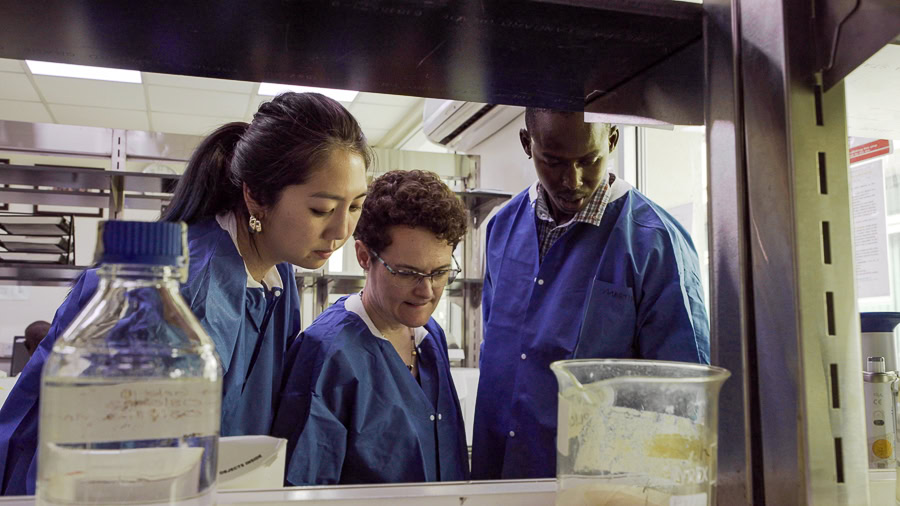
Antibiotic-resistant infections threaten global health and national security. As bacteria evolve to evade the antibiotics that once killed them, routine infections are becoming more dangerous. A 2024 Fulbright Global Scholar Award helped Dr. Tobi Nagel, PhD, president and founder of the nonprofit Phages for Global Health, to confront this challenge with partner organizations in Kenya, Malaysia and Uganda.
Phages for Global Health develops innovative treatments based on viruses called bacteriophages. Commonly known as “phages,” these viruses kill bacteria while leaving human cells unharmed. They are among the most abundant biological entities on Earth and have co-evolved with bacteria for billions of years. Over a century ago, phage therapy was a common treatment for infections, but it was largely replaced with the development of antibiotics. Today, as antibiotic resistance accelerates, phages are regaining attention as a powerful tool for treating life-threatening infections. Phages can be isolated from soil and water using relatively low-cost laboratory techniques, making the technologies that Nagel and her team developed exportable throughout the world, including in the United States.
Nagel founded Phages for Global Health in 2014 to scale up the availability of low-cost phage therapy after she completed her PhD in Medical Engineering and worked in pharmaceutical drug development for more than a decade. The organization provides training and technical expertise to nonprofits, universities, health agencies, researchers, and clinicians around the world. Phages for Global Health establishes Phage Banks, which are collections of specialized phages used to treat various bacterial infections. It also supports food safety, since phages are an alternative to using antibiotics in animals, crops, and aquaculture.
The Fulbright Program provided Nagel with the opportunity to conduct professional projects with institutions in Kenya, Malaysia, and Uganda—three countries where antibiotic resistance rates are among the highest in the world. Through work in these hard-hit regions, she hopes to uncover solutions that benefit both these countries and the United States, where antibiotic resistance is also on the rise.
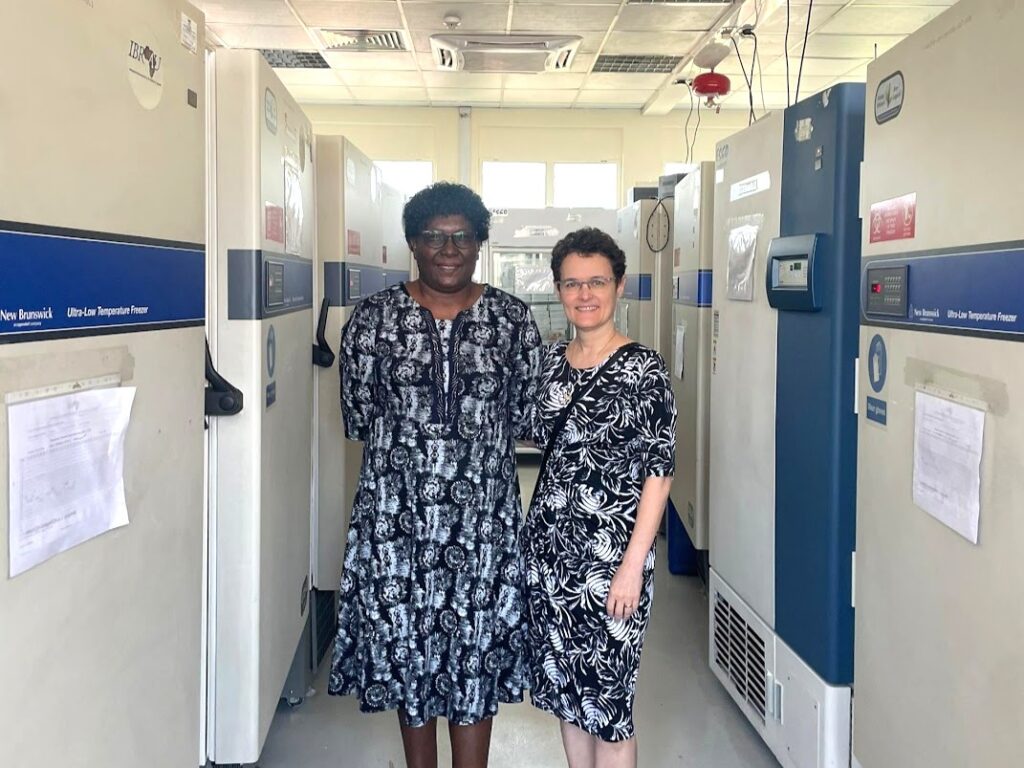
The sustained, in-country engagement that Fulbright provided has been “a game-changer,” according to Nagel. Fulbright provided the credibility, access, and continuity needed to help scientists explore options for establishing phage banks and adapting them to local contexts. This work is producing practical guidance that countries can use to evaluate and adopt phage therapies. Nagel says building phage research capacity locally strengthens scientific expertise, builds trust in United States leadership, and could reduce dependence on foreign supply chains.
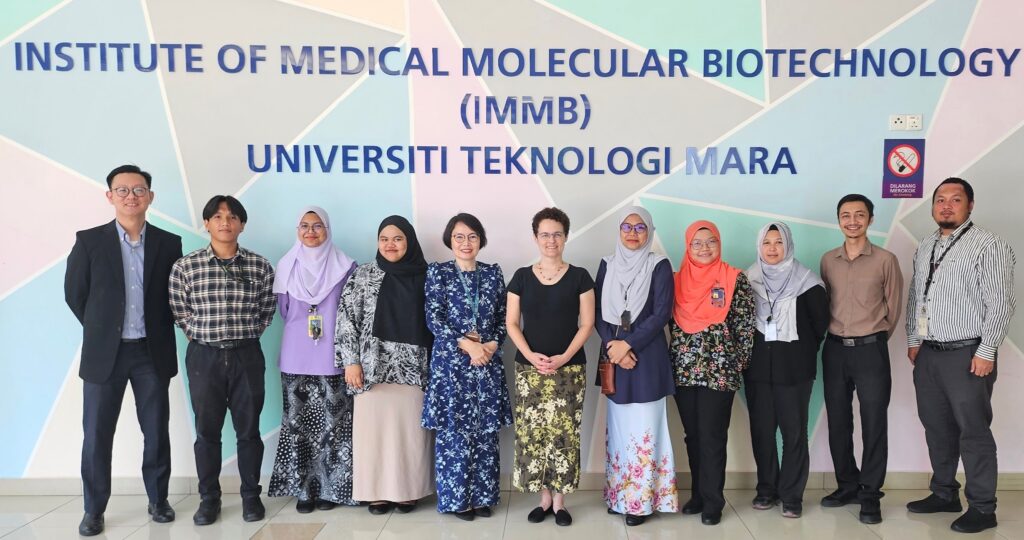
One of the most significant outcomes of Nagel’s Fulbright work has emerged in Malaysia, where her research informed the Ministry of Health’s decision to develop a national phage therapy plan. That effort is already attracting interest from other countries in Africa and Asia. With scientific leadership from the United States, foreign governments can take ownership of planning and work together in long-term global health security.
In Kenya, Nagel has worked closely with the Walter Reed Army Institute of Research (WRAIR), which maintains a phage collection for therapeutic development through its global network of laboratories. She has co-authored journal articles and presented at training workshops with Lillian Musila, the director of research and the Microbiology Hub at WRAIR Africa, which partners with the Kenya Medical Research Institute (KEMRI) to lead the country’s multisectoral Antimicrobial Resistance Research Group.
Phages developed by WRAIR Africa in Kenya are also used to save American lives. In one notable example, Kenyan scientists collaborating with the U.S. military and the Walter Reed team in the United States identified phages effective against antibiotic-resistant bacteria encountered in the U.S. Military Health System. Those phages are now part of the WRAIR phage bank and prototype therapeutics — demonstrating how investing in global health capacity strengthens U.S. preparedness.
By helping countries develop their own national phage plans and health systems and mobilize therapeutic solutions, Nagel is helping stop dangerous infections before they spread, strengthening global partnerships and keeping Americans safer.
The Fulbright Global Scholar Award provides opportunities for U.S. academics and professionals to carry out Fulbright exchanges in multiple countries across the world. Scholars conduct research, combined teaching and research, or professional projects in two to three countries in two different world regions. This award offers recipients flexible schedule options; projects can be conducted within one academic year or spread over two consecutive years.