Health Executive Applies Fulbright Experience to Fighting Cancer
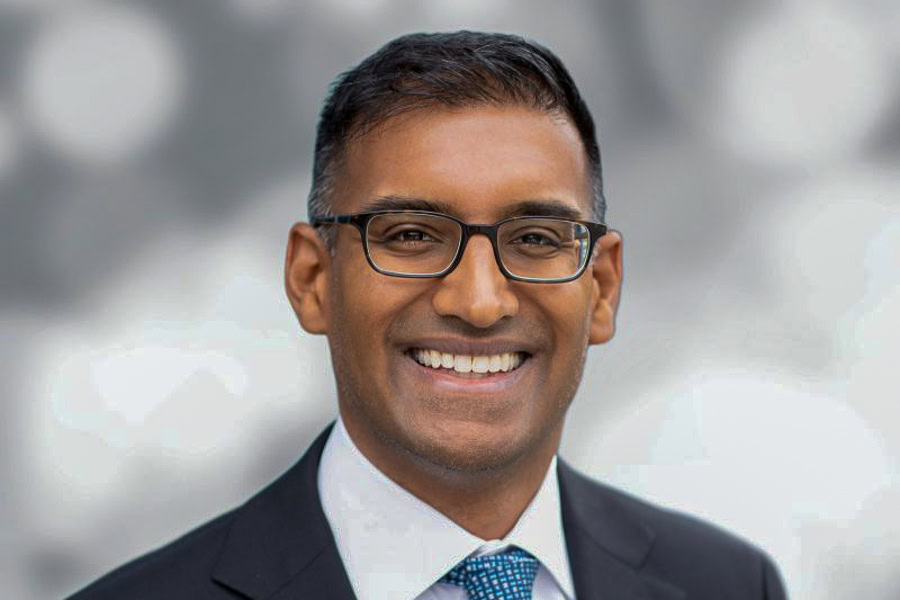
Anand Reddi is a global health policy expert, basic science and public health researcher, and leader in biotech innovation. As head of the direct-to-consumer innovation and digital health at BeOne Medicines, an oncology medicine company that develops targeted cancer therapies with a focus on affordability and addressing unmet needs, he applies lessons from his Fulbright and two decades in global health to tackle pressing challenges in American healthcare. Reddi’s work demonstrates how innovations that save lives abroad can also protect Americans at home.
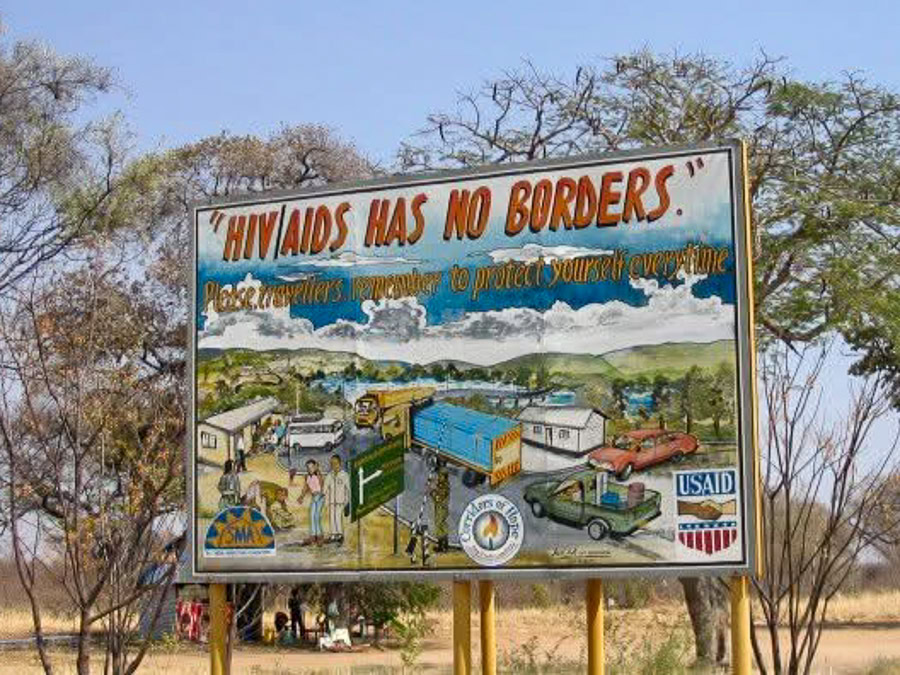
Shortly after graduating from the University of Michigan in 2005, Reddi travelled to Durban, South Africa for his Fulbright at a critical moment in global public health. President George W. Bush had just launched the President’s Emergency Plan for AIDS Relief (PEPFAR), a bipartisan effort that mobilized unprecedented resources to confront HIV/AIDS in hard-hit countries. The world had remarkable treatments; what it lacked were systems able to deliver them.
Fulbright provided an “incredible opportunity” for Reddi to understand the world beyond the United States, and witness what it takes to move lifesaving medicines from scientific breakthrough to real-world impact. In the process of launching one of the region’s first pediatric HIV treatment programs, he saw that, in addition to efficacious drugs, a health system needs infrastructure, data systems, community trust, and a coordinated network of stakeholders aligned around a shared mission.

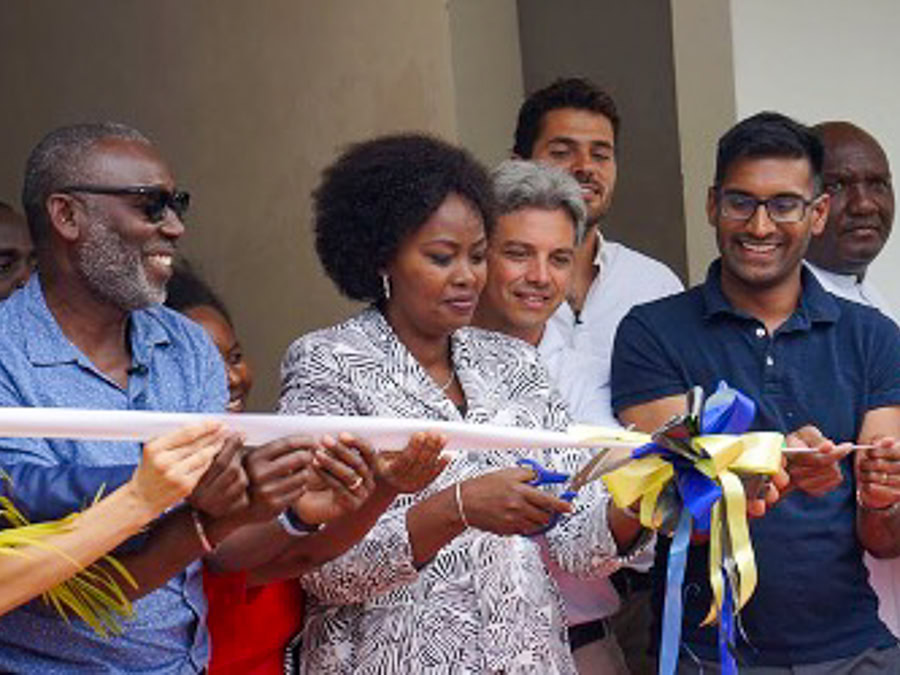
The Fulbright experience became, in Reddi’s words, a “master class” in cross-sector problem-solving. His research demonstrated that pediatric antiretroviral therapy was effective despite the challenges of resource-limited settings.
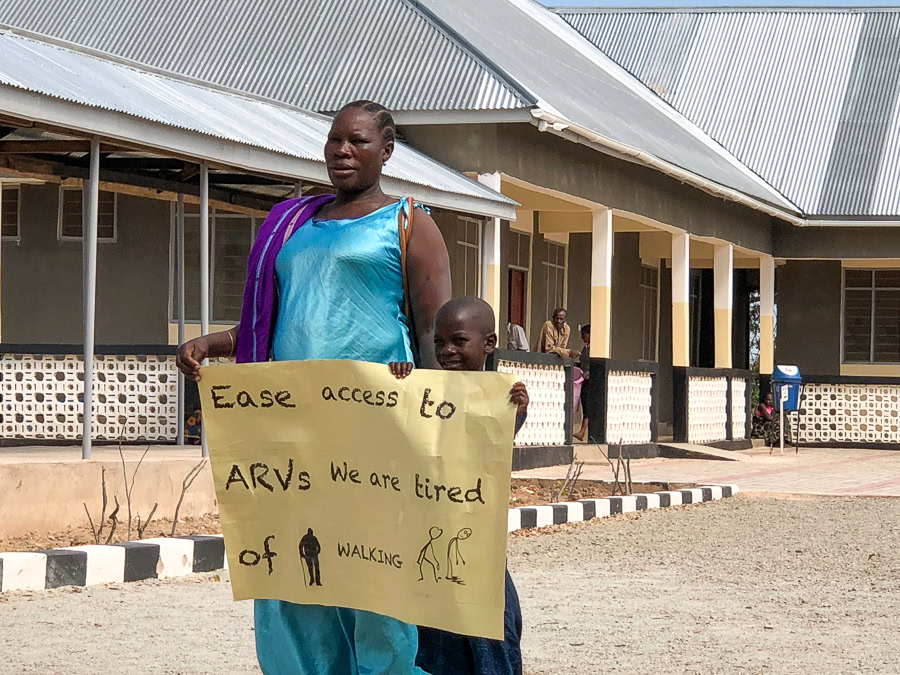
In South Africa, he helped establish systems to build electronic medical records, manage long-term treatment plans, monitor outcomes, and tackle supply-chain challenges. He also came to appreciate the role of non-traditional partners—faith-based organizations, community leaders, and pharmaceutical companies—whose collaboration made treatment possible.
That early experience informed the work Reddi later led on a global scale. At the University of Colorado School of Medicine, he received a Thomas Jefferson Award for work related to his Fulbright. He went on to play key strategy roles over seven years at Gilead Sciences, where his team expanded access to medicines for more than 25 million patients across 130 countries and managed financing initiatives with diverse partners such as the Vatican and MasterCard. These programs echoed the principles he learned during Fulbright: meeting patients where they are, building resilient systems, and forming innovative partnerships.
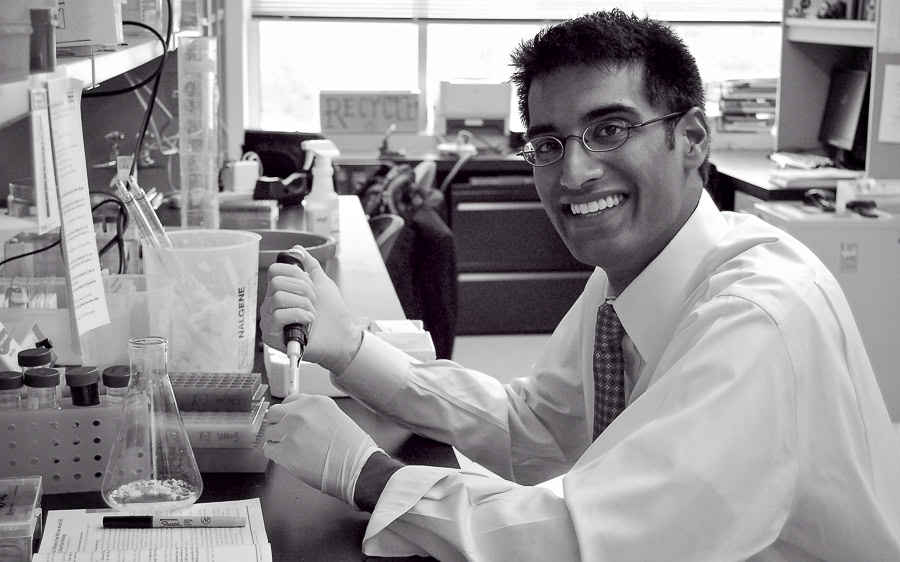
Today, Reddi leads a global team from his base in San Francisco, working to get treatments for cancers such as leukemia and esophageal, gastrointestinal, and lung cancers to patients who need them most. In this strategy role, he reflects, “It’s incumbent on all of us to think about new ways to innovate on how we deliver these medicines; I think the fundamental challenge in health care is the access issue.”
BeOne organizes its own clinical trials with local hospitals around the world and collaborates with health systems in almost 60 countries and to accelerate the pace of drug development and strengthen health systems in low-resource settings. Reddi joined experts at BIO, the global biotechnology innovation conference, to discuss new ideas for expanding biotech access to patients in need.
The company opened an “innovation campus” in New Jersey in 2024 to house its U.S. manufacturing facilities and R&D center. The logistical innovations that Reddi used to scale HIV treatment in South Africa are now delivering cancer therapies, cardiometabolic medicines, and more across the United States. Data collection, resilient supply chains, provider education, and patient-centered design are as essential in rural America as they were in Durban, South Africa.
Reddi’s Fulbright thus prepared him to meet what he identifies as the major trends in the health care industry: the rapid patient-centric consumerization of care, the explosion of digital tools, and the imperative to reduce costs while expanding access and enabling higher quality of care.
Fulbright also taught him the necessity of collaboration. He believes the field, across public and private sectors, is moving toward addressing a shared challenge of how to deliver high-quality care at a lower cost to make it more accessible. “Whether they’re patients, caregivers, doctors, health systems, or payers, all can align their incentives so that everybody is getting the best possible care, but then everybody in the ecosystem is deriving some value and reinvesting that to deliver more.”
Reddi is emphatic that U.S. investments in global health are not acts of charity—they are acts of national security. International partnerships, he says, protect American lives at home and create opportunities for innovation, exchange, and shared prosperity. He points to the infrastructure built to confront HIV in Africa, which has enabled rapid responses to Ebola, tuberculosis, malaria, and COVID-19. Reddi is convinced that through strengthening disease surveillance, supply chains, and care delivery abroad, the United States helps contain outbreaks before they reach its shores.
For Reddi, Fulbright’s role in this is unmistakable. By enabling the exchange of scientists, clinicians, and innovators across borders, the program accelerates discovery and builds relationships that make global health progress possible. “Innovation, just like disease, has no borders,” he reflects—and Fulbright helps ensure the United States remains at the center of that global exchange.