

Purple Heart Day on August 7 marks the date in 1782 that General George Washington commissioned the Purple Heart as the “Badge of Military Merit.” Today, the Purple Heart honors service members who have been wounded or given their lives in defense of the nation. The day offers an opportunity to reflect on the history and leadership behind America’s military traditions—stories that Fulbright alumnus Fred L. Borch has spent much of his career preserving and sharing.
“The Purple Heart is America’s oldest military decoration,” says Borch, a retired Army colonel, military historian, and legal scholar. In an article in the National Archives magazine Prologue, he explains what makes the medal unique: “The Purple Heart is the only military decoration that does not depend on anyone’s favor,” he says. “With all other decorations, a person must nominate you for the award. With the Purple Heart, it is yours if you were wounded in action with the enemy.”
“[The Purple Heart’s] link to George Washington gives it special significance as we commemorate the 250th anniversary of the Declaration of Independence,” he explains, “because the success of Washington and the Continental Army was the critical factor in the 13 colonies achieving independence in 1783.”
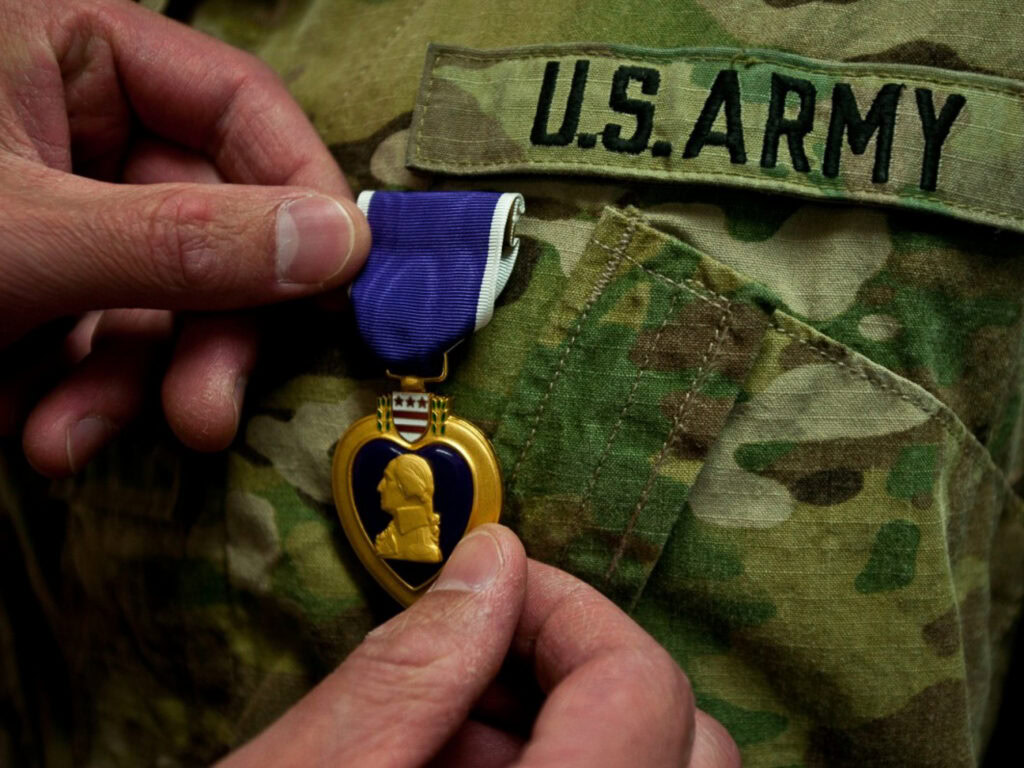
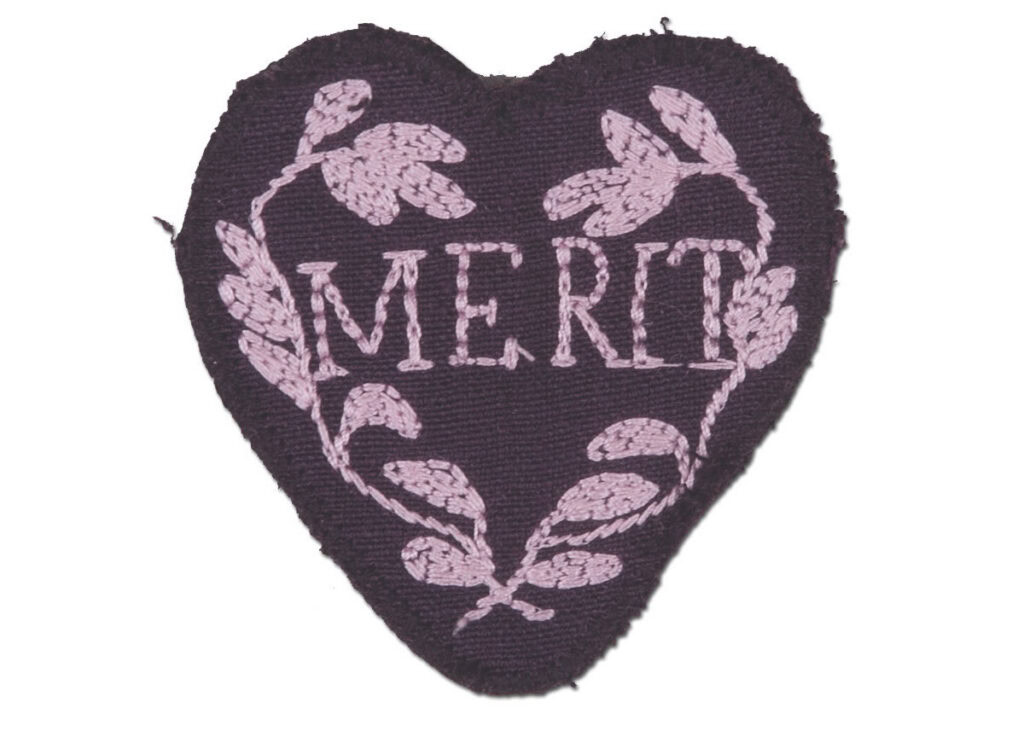
For Borch, understanding symbols such as the Purple Heart requires an understanding of the people and institutions behind them. He has devoted much of his career to studying America’s military heritage and interpreting it for broader audiences, writing 12 books and more than 300 articles on military law, history, and the individuals whose service shaped the nation. His essays have explored the origins of the U.S. Army, the meaning of the American flag, Abraham Lincoln’s leadership, the Wright brothers’ first flight, D-Day, and other milestones in American history.
Borch’s expertise stems from his 25-year career in the military as a paratrooper in Germany and Italy and then then as a lawyer in the U.S. Army Judge Advocate General (JAG) Corps. There, he rose to leadership positions handling national security and terrorism-related legal matters. After retiring from active duty, he took on the role of uncovering and interpreting the Army’s heritage as Regimental Historian and Archivist for the JAG Corps. He also taught legal history and leadership for nearly two decades at the JAG School at the University of Virginia.
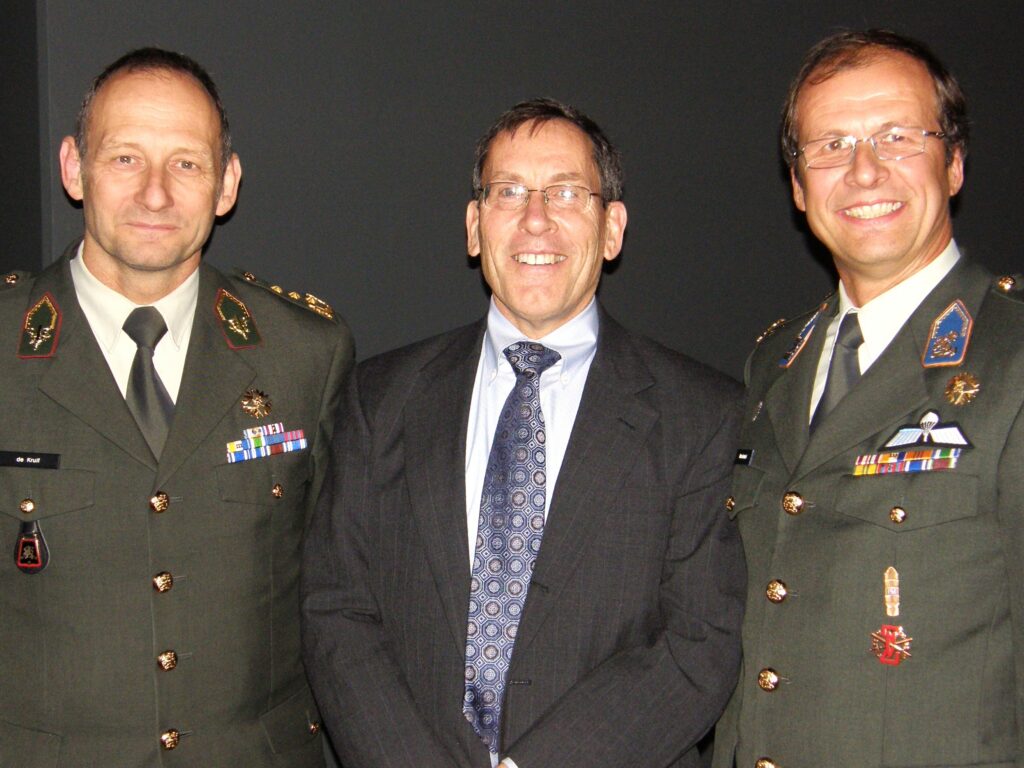
This blend of practical experience and scholarship informed his Fulbright projects, in which he worked with colleagues overseas to strengthen cooperation on international law and legal education. In 2012, Borch taught international law related to terrorism and counterterrorism as a Fulbright U.S. Scholar at the University of Leiden in the Netherlands. His experience working with international partners through the military – combined with how the “Fulbright community opens so many doors” – gave him the opportunity to deliver lectures at the Dutch Ministry of Defense and meet with Dutch military leadership.


More than a decade later, he served as a Fulbright Specialist in Mongolia, working with law professionals and faculty at the National University of Mongolia to strengthen their ability to publish legal scholarship for international audiences.
Borch believes veterans bring “real-world experience in working alongside Americans from all walks of life.”
As America celebrates its 250th anniversary, Borch continues to share the stories that connect the nation’s founding with the generations who have served since. Through his work as a military historian and Fulbright alumnus, he helps preserve a deeper understanding of America’s history and its enduring traditions of service.