
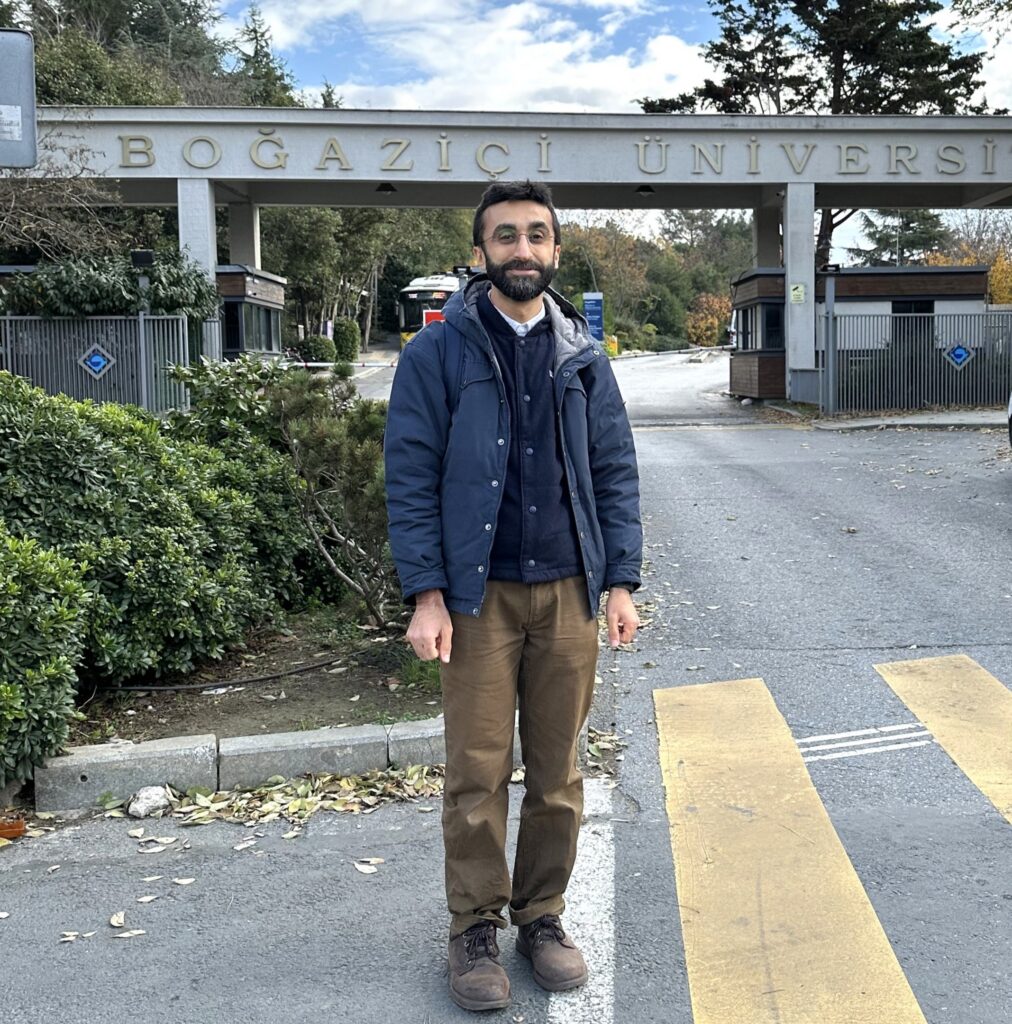
When Fulbright U.S. Scholar Faisal Husain taught at Boğaziçi University in Istanbul, Türkiye, he brought with him a story rooted in American history: the creation of the national park. A history professor at Penn State University, Husain used his Fulbright appointment to teach Turkish students how the United States originated the concept of protecting wilderness as public land, creating a new ideal of preserving nature for the benefit of all people.
He explained through his courses at Boğaziçi University that before the late nineteenth century the idea of a “wild park” would have seemed contradictory. Parks were typically manicured landscapes like the gardens of the Palace of Versailles, while wilderness was seen as land to be settled. In the United States, democratic ideals combined with vast, undeveloped landscapes to produce a different vision that would culminate in the U.S. National Parks System.
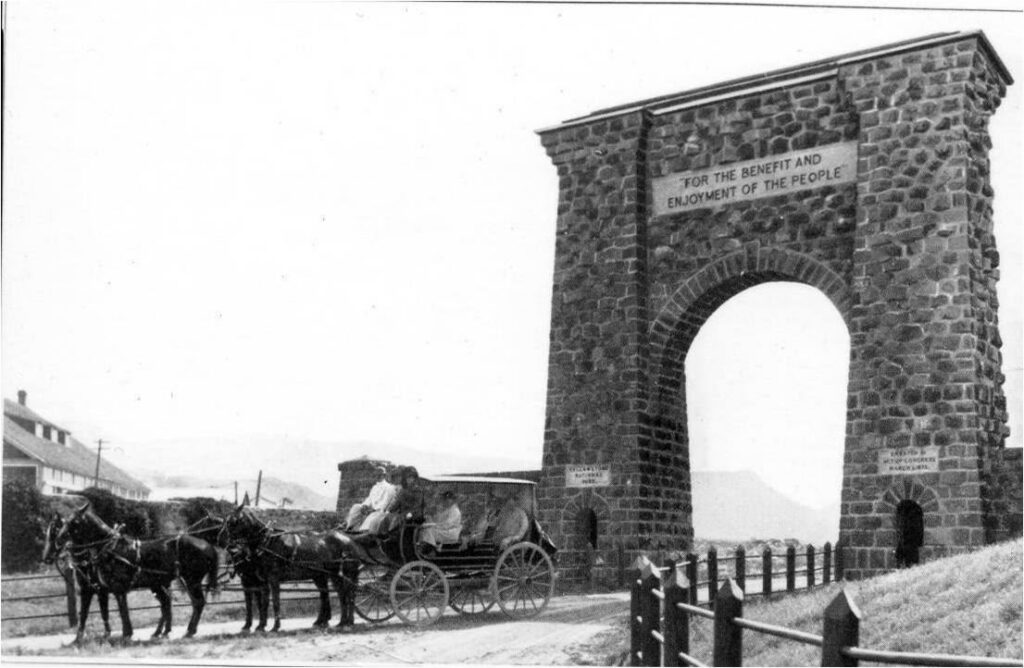
Husain explains how Yellowstone National Park came to be in 1872. It was widely considered the world’s first national park. Illustrating the contrast with the royal forests of Europe which were preserved for kings and aristocrats to hunt, Husain highlighted the inscription on the Roosevelt Arch at Yellowstone—“For the Benefit and Enjoyment of the People”—as a clear expression of the democratic principle behind the system.
Students also examined the debates that shaped the American conservation movement. Husain introduced them to figures such as naturalist John Muir, who argued that wilderness should be protected as a spiritual refuge. He contrasted Muir’s views with those of Gifford Pinchot, the first leader of the United States Forest Service, who promoted the “efficient use” of natural resources to benefit society. Presenting these debates, he said, helped students understand the U.S. national park system as “a revolutionary, yet evolving democratic experiment.”
Husain, whose academic expertise is the history of the Ottoman Empire, added this more contemporary discussion to his Fulbright teaching to connect American and Turkish history. He traced how the American national park model spread internationally and eventually influenced policies on natural spaces in Türkiye. Students examined the creation of Türkiye’s General Directorate of Nature Conservation and National Parks and discussed how the American example shaped the international movement to create national parks.
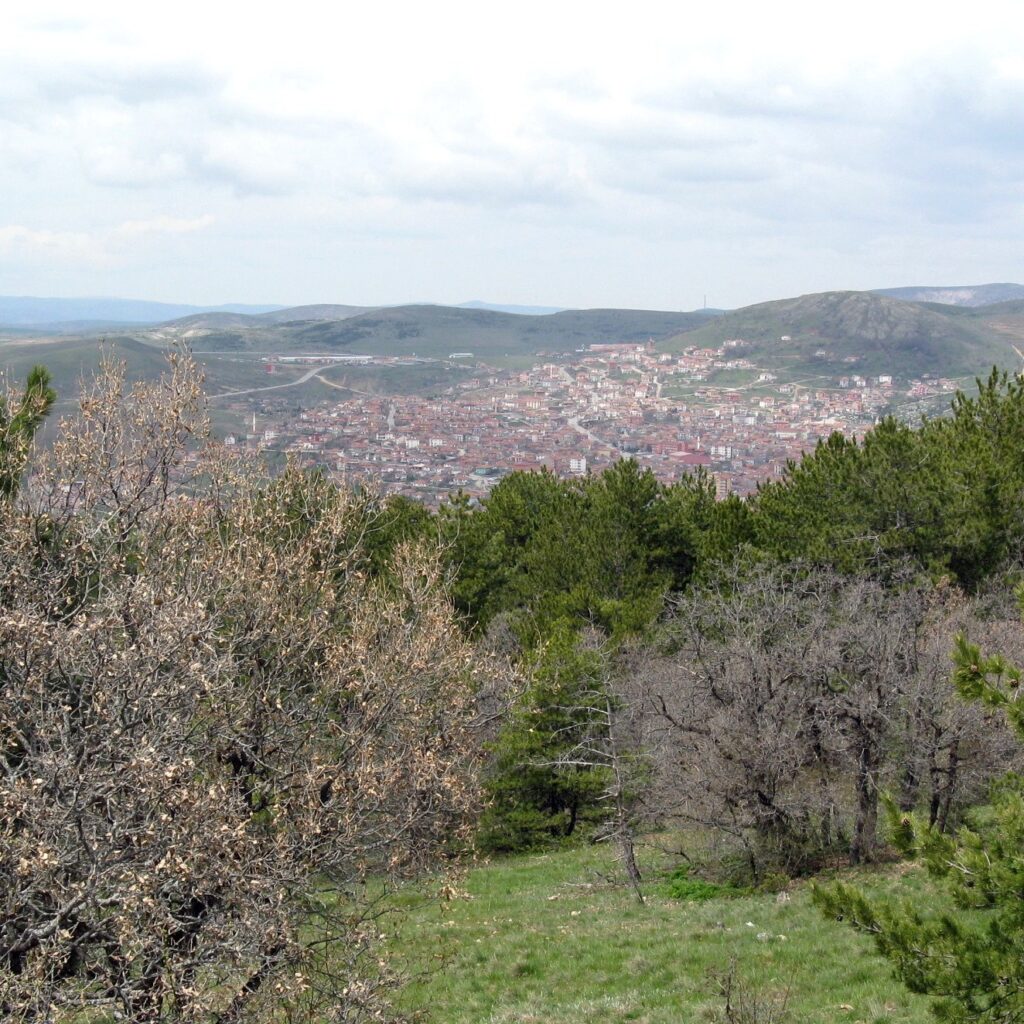
One case study was Yozgat Pine Grove National Park, designated as Türkiye’s first national park in 1958. Husain described it as “a direct echo of that earlier American impulse to preserve wild spaces for the public good.” Through this comparison, students saw how innovative ideas developed in one country could spread internationally.
The course also highlighted exchanges moving in both directions. While the United States introduced the national park model, Husain noted that Türkiye contributed species and traditions that became part of American landscapes, including the tulip and the Angora goat.
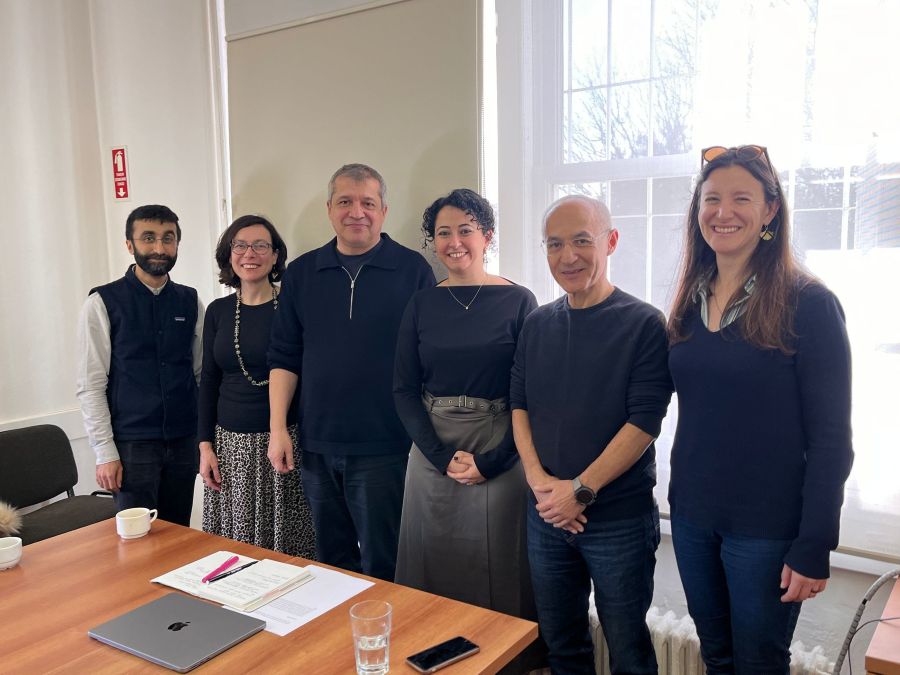
During his nine months in Türkiye, Husain also participated in graduate education and research, serving on thesis committees and published work in the Turkish academic journal Toplum ve Bilim (History and Society). Husain remains connected with graduate students and scholars in Türkiye, and he is planning future exchanges between Penn State and Boğaziçi University. These collaborations, he said, build lasting connections between the two countries.